 Mekong Monitor
Malaysia Pauses Recruitment of Nepali Workers Amid Dispute Over Agencies
Malaysia has halted recruitment of unskilled Nepali workers after a dispute over which agencies should manage the process. The standoff threatens a key labour route that supports Nepal's economy.
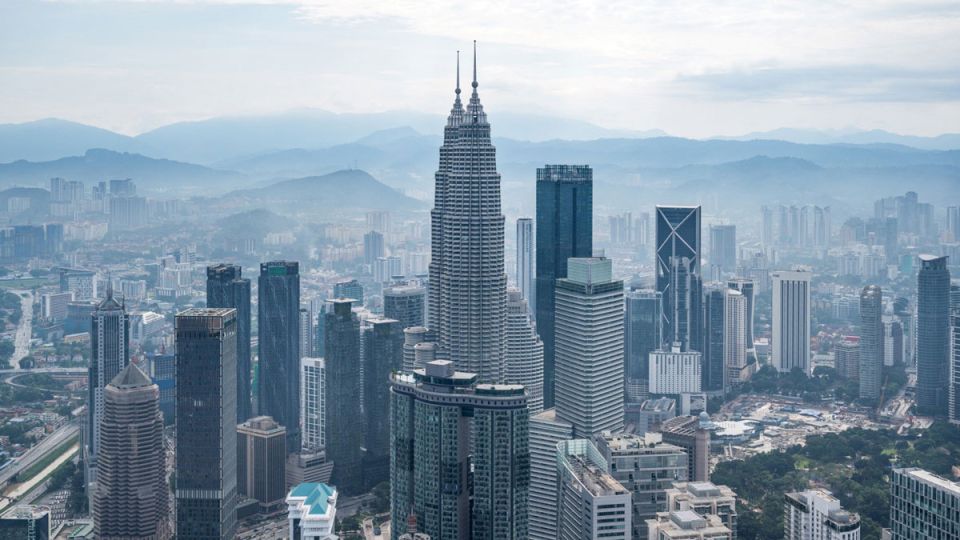
Malaysia has suspended the recruitment of unskilled workers from Nepal, triggering a diplomatic standoff over which agencies are allowed to handle the process.
The pause began on October 1, when Malaysia's Ministry of Human Resources halted biomedical health screenings for Nepali job seekers. Without those medical checks, no new calling visas can be issued.
The system at the center of the dispute is Malaysia's Foreign Workers Centralised Management System (FWCMS), which is run by Bestinet Sdn Bhd. Visa processing requires medical reports from 36 accredited clinics in Nepal. Bestinet says medical registrations can only proceed once 25 Principal Recruitment Agencies, selected by Kuala Lumpur, have been activated. Each of these agencies works alongside ten secondary agencies.
Nepal Rejects Malaysia's Choice of Agencies
Nepal's Ministry of Youth, Labour and Employment has strongly objected to Malaysia picking the 25 agencies on its own. Kathmandu has also refused to grant those firms the legal authority to operate exclusively.
A local health provider confirmed the disruption: “We haven't carried out biomedical tests for Malaysia-bound workers since October 1. We were told the new system has to be fully running before processing can resume.”
Youth, Labour and Employment Minister Ramji Yadav has proposed a Joint Working Group meeting to resolve the matter through talks, suggesting November 18–19 or December 2–3 as possible dates. His private secretariat said Nepal wants the existing arrangement to stay in place until both sides agree on a replacement, so that recruitment remains steady, predictable and straightforward. The meeting would also look at making worker selection more organised, transparent and fair to workers, and at finalising a draft renewal of the bilateral Memorandum of Understanding.
Malaysia Holds Its Position
Malaysia's Human Resources Minister, Ramanan Ramakrishnan, has turned down Nepal's request to return to the old system. In a letter sent through diplomatic channels on October 6, the Malaysian ministry said the matter had been carefully reviewed and referred to the Cabinet, and that Kuala Lumpur would not change its policy. The current framework will remain, with 25 principal agencies and 10 associate or supporting agencies under each of them.
Nepal Launches Legal Action Against Agency Owners
While the two governments look for a diplomatic solution, Nepal's Department of Foreign Employment has taken legal action against the owners of the 25 selected agencies. With warrants issued by the Foreign Employment Tribunal, the department published a public notice on Monday giving suspects 35 days to come forward. Anyone who fails to do so faces frozen bank accounts and travel bans under the Foreign Employment Act, 2007.
On Tuesday, officials raided the offices of several of the targeted agencies. Nabaraj Dhakal, the department's director general, said the case has moved beyond an administrative issue into a formal legal investigation, and that an investigating officer has been assigned to carry out the required procedures.
A Difficult Time for Nepal's Migrant Workforce
The suspension comes at a difficult moment. Instability in the Middle East has severely restricted traditional job markets for Nepali workers. Departures to major Gulf destinations have fallen by 52.12 percent following regional conflicts. The steepest drops are in the United Arab Emirates (59.05 percent) and Saudi Arabia (57.02 percent), with declines also recorded in Qatar (35.08 percent), Kuwait (42.93 percent) and Bahrain (45.49 percent).
Malaysia took in 132,000 Nepali workers in the previous fiscal year, making it a vital alternative to the volatile Gulf market. Experts warn that losing access to Malaysia would seriously damage Nepal's economic stability. Yubaraj Basnet, a foreign employment expert, said Nepal has no realistic substitute for Malaysia when it comes to industrial manufacturing jobs. Gulf economies are still caught up in conflict, and European labour markets are facing widespread protests, so recovery will take time. He added that resolving the dispute depends largely on the government's diplomatic skill.
According to the Nepal Rastra Bank, Malaysia accounts for nearly 20 percent of total remittance inflows to Nepal. Around 400,000 Nepalis are currently employed there, mostly in manufacturing.
Wages and Outlook
Malaysia currently offers the highest minimum wage for unskilled labour among major destination countries, at 1,700 ringgit (about Rs 63,000) a month. The government also plans to raise the monthly minimum wage for all workers, including foreign nationals, to 2,000 ringgit starting in June 2027. Under Malaysian law, these minimum wage rules apply equally to migrant workers from Nepal, Bangladesh and Indonesia and to local citizens.