 Mekong Monitor
Koh Kong Mangrove Project Pays Local Workers Before Carbon Credit Sales Begin
Residents of Koh Kong are being paid to grow mangrove seedlings and monitor wildlife under a conservation project that has not yet earned carbon credit revenue. The Krasop Blue Carbon initiative is backed by millions of dollars in private investment.
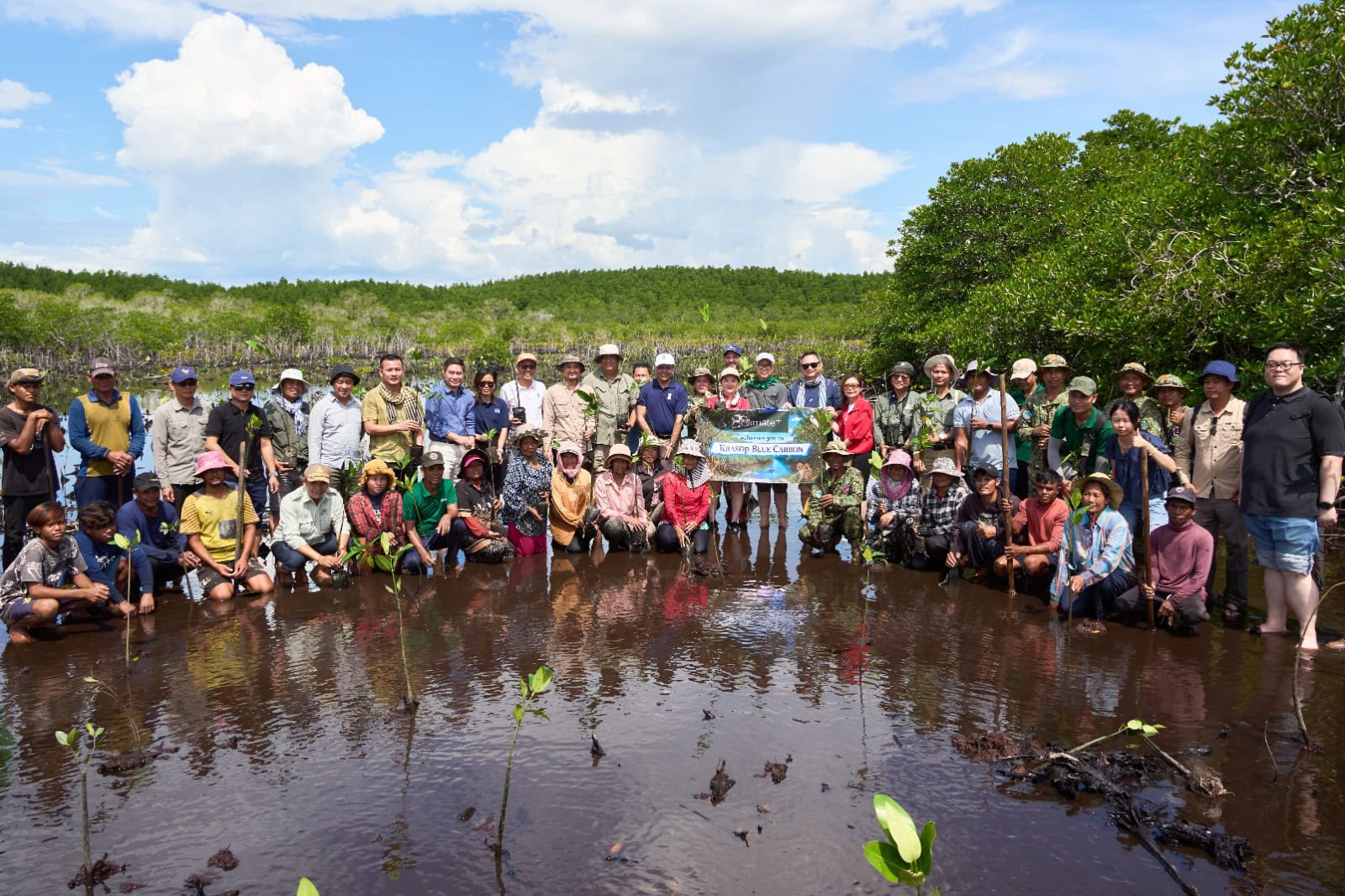
Residents of Koh Kong are being paid to grow mangrove seedlings, take tree measurements and monitor wildlife, even though the conservation project they work on has not yet earned any revenue from carbon credits, according to Climate+ chief executive Dr Addy Cheng.
The Singapore-based company has invested millions of dollars of its own capital in the Krasop Blue Carbon project, a 40-year effort to protect mangroves and restore degraded land. Climate+ expects revenue from future carbon credits to keep the work going and allow it to expand.
Cheng argued that patient investors can afford to wait for financial returns, but local families should not have to wait for carbon income to make a living.
The project covers about 31,011 hectares. That total includes 13,432 hectares of existing mangrove and rear-mangrove forest identified in the company's 2024 mapping.
According to Cheng, these forests shelter marine life, protect coastlines and support households that depend on fishing and farming.
Climate+ pays Cambodian staff and villagers to collect environmental data, restore forests and remove rubbish from waterways. The company also funds boats, fuel, equipment and training for conservation work, supports ranger patrols and has installed solar power at ranger accommodation. It is additionally helping fishing communities find better markets for their catch.
Cheng said that project agreements will determine how future carbon revenue is shared, and that communities will take part in decisions about their priorities and benefits.
The project is currently being validated under Verra's carbon and community standards and is preparing for its first independent verification.
To set baselines and track changes in mangrove cover and carbon storage, Climate+ uses historical satellite imagery, its 2024 forest-cover assessment and field measurements. Cheng said relevant monitoring and audit reports will be made public through Verra's processes.
Ecotourism as another source of income
Singapore's ambassador to Cambodia, Steven Pang, joined a field trip to the Peam Krasop Wildlife Sanctuary on November 6, organised by Climate+. Rangers briefed the group on forest protection, while community representatives displayed local produce and talked about their livelihoods and development priorities.
The delegation also visited Koh Kapik village, where residents have joined ecotours to earn income while helping to protect and restore mangroves.
In an interview, Pang said the initiative is about more than conservation and emphasised working alongside local people. He compared it to a Royal Turtle conservation programme run with Singapore's Mandai Nature. On an earlier trip to Koh Kong, he helped release Royal Turtles into the wild in the Sre Ambel area. That effort also involved local residents and aimed to help the species recover. Pang said he hoped to see more conservation partnerships between Cambodia and Singapore.
The Singapore embassy said participants discussed how long-term climate finance and partnerships could support conservation and local communities.
Ken Sereyrotha, director-general of the Ministry of Environment's General Department of Local Community and chair of the Carbon Crediting and REDD+ Secretariat, also took part in the visit. Representatives from the Asian Development Bank, the United Nations Development Programme, the World Bank, NatureLife Cambodia and the World Wide Fund for Nature joined as well.