 Mekong Monitor
Kep Association Aims for Lasting Heritage and Tourism Gains After Francophonie Showcase
A newly formed Kep association will run a pavilion at the Francophonie International Village in Phnom Penh, using the event as a launchpad for long-term work on coastal heritage, responsible tourism and youth training.
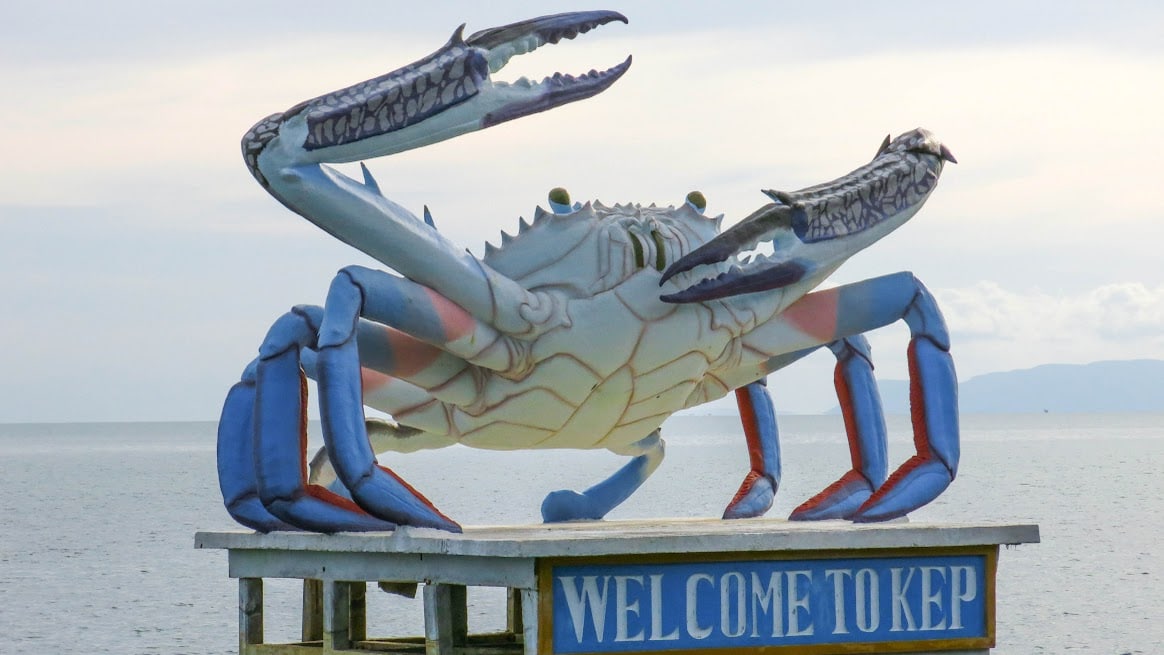
A newly established association in Kep is using its place at the Francophonie International Village in Phnom Penh as a springboard for long-term work on coastal heritage, responsible tourism and vocational training for young people.
Kep-sur-Mer will run a pavilion at Wat Botum Park from November 13 to 17. The space will feature local produce, an art display and information about the province during Cambodia's hosting of the 20th Francophonie Summit.
The organisers want the project to outlast the five-day event. They envision a platform where residents, businesses and community groups can take part in the province's development.
The association has set three priorities: promoting responsible tourism, supporting education and vocational training for young people, and safeguarding the region's heritage.
How the initiative began
The idea took shape during summit preparations. When a visiting journalist asked Lysiane Salmon, a long-time Kep resident and owner of Hôtel de la Plage, what the seaside province had planned, the conversation revealed a shared belief that Kep should be presented through its people and their stories, not just official speeches. Salmon, who has lived in Kep since 2002 and is known locally as Lili, then joined other tourism and cultural figures to organise the province's participation.
The founding group includes Alexia Pinon, who works in coastal dining and tourism; Emmanuel Pezard, a guide and co-founder of Kep Autrement; Marie Ganachau, a hotel director and heritage researcher; and visual artist Vannak Khun, whose series The Spirit of Kep explores the seaside town.
A financial partner made it possible to secure the pavilion. Later talks with residents, communities and local stakeholders encouraged the group to form an association that would keep working after the summit. Kep-sur-Mer said it has received support from local authorities and provincial governor Som Piseth.
Protecting Kep's heritage
Heritage sits at the core of the plan. Proposed activities include recording residents' oral histories, documenting modernist architecture and publishing a journal, Les Cahiers de Kep. Pezard is also writing a collection of short stories about the province, adding a literary dimension to the effort to preserve local memory.
The work draws on a coastline shaped by successive waves of development, including seaside villas and buildings from the Sangkum Reastr Niyum era of the 1950s and 1960s. The association argues that modern construction methods, Cambodia's coastal climate and traditional Khmer architecture together form an important part of Kep's identity.
Responsible tourism and development
The association also plans to back projects that connect the province's cultural and natural attractions. These include a planned 2.4-kilometre seaside promenade between the crab market and the mangrove area, a rowing club, and a proposed conversion of Queen Kossamak's former royal residence into a provincial museum. The group links these ambitions to Kep's 2023–2035 tourism master plan.
Education and job readiness
The group supports the planned Kampot-Kep Francophone Centre, due to open in October 2027 under an initiative led by Pierre Lechauguette. It also intends to strengthen ties with the Institute of Technology of Cambodia, which has a presence in Kep, and to develop training programmes for careers in hospitality, catering and tourism.
The association wants to work alongside organisations already active in the province. It cited the Centre Éducatif de Kep and Kep Children for supporting children and families, and environmental efforts such as Marine Conservation Cambodia's work at Koh Ach Seh, mangrove replanting with O Krosar communities and the UN Development Programme, and the S.E.A. Ocean Gallery underwater museum. It also highlighted the Art for Kep initiative and local businesses, including Samanea Resort.
What visitors can expect
At the pavilion, visitors can learn about these activities and sample regional products such as Kampot pepper, fleur de sel, traditional sauces and dried shrimp. A tasting session with partners and guest speakers is scheduled for November 15. The pavilion will welcome visitors in Khmer, French and English, and will be open daily from 8am to 8pm throughout the programme. It is located in the 'Francophonie in Cambodia' area of the International Village at Wat Botum Park.
Membership is open to individuals, businesses, associations and patrons of any nationality. In the group's words, joining means contributing to a shared effort that places people, culture and the environment at the centre of Kep's future.