 Mekong Monitor
Japanese Prisons Adopt Handheld AI Translators to Bridge Language Gaps With Foreign Inmates
Japan is distributing palm-sized AI translators to prisons and detention centers to help staff communicate with foreign inmates. The ministry hopes better dialogue will improve rehabilitation and support reintegration after release.
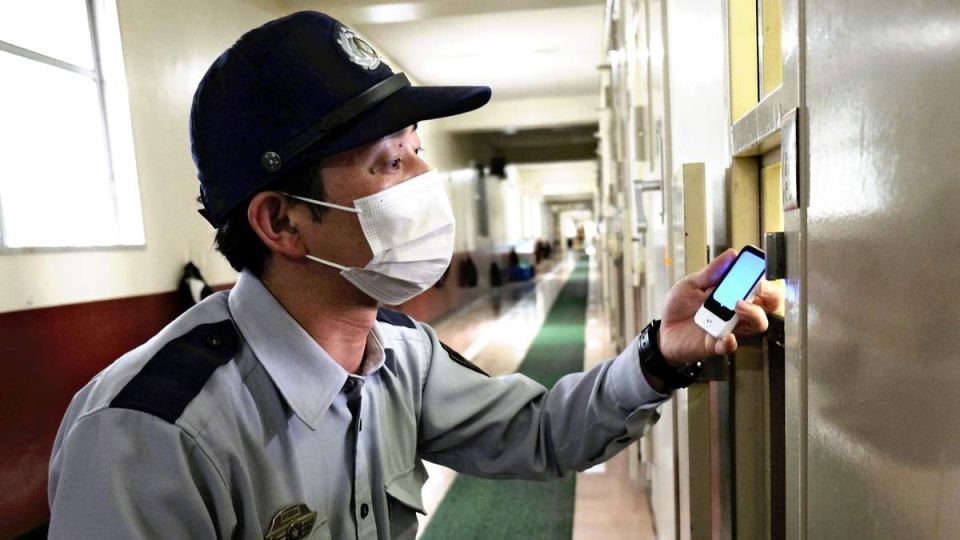
Japan's Justice Ministry is equipping prisons and detention facilities with palm-sized AI translators, aiming to help staff understand what foreign detainees are feeling and to support their return to society after release.
About 200 devices were handed out last summer to make it easier for officers to talk with inmates who do not speak Japanese. Officials hope the tools will lead to more meaningful support for reintegration.
A breakthrough in one-on-one conversations
At Fuchu Prison in Tokyo, a male officer spoke Japanese into a translator held near the window of a single-occupancy cell. The device rendered his question into Spanish in a synthetic female voice. The Chilean inmate inside considered it, replied in Spanish, and within seconds the device translated his answer back into Japanese: he was willing to go and see the workshop.
The man had initially struggled to follow instructions after arriving. Because staff could not easily involve him in group activities, he had been kept alone and had not worked in the prison factory. Repeated exchanges through the device have since changed his outlook, and he now wants to take up factory work. The officer described it as a slow process of building trust.
Why it matters
Over 20 percent of the 1,760 inmates at Fuchu were foreign nationals without permanent residency at the end of 2025. Previously, officers relied largely on hand gestures to get instructions across, which often left inmates confused and frustrated. With the translators, inmates can now ask direct questions, such as why they cannot swap leftover food with one another or why they must stay seated while doing prison labor.
Staff say conversation makes it far easier to understand what detainees are going through. Officials argue that encouraging people to understand the rules, rather than simply forcing compliance, is essential to rehabilitation and reducing reoffending.
Gaps in interpreter coverage
Inmates who do not speak Japanese are generally sent to six facilities, including Fuchu, Osaka Prison and Tokyo Detention House. Those sites employ international affairs specialists who work as interpreters, but the total is capped at 28. Staff handle daily care, nights and holidays on their own. People awaiting court decisions are usually held at a detention house near the police station where they were arrested, and the shortage of interpreters there is a persistent problem.
To respond, the ministry rolled out the translators to 129 of its 171 institutions in August last year. The devices support roughly 90 languages and can also translate written text. The supplier was chosen partly because it agreed not to use translated content to train AI systems. Since staff are barred from carrying smartphones inside facilities, the ministry plans to send more translators next fiscal year, prioritizing prisons with large foreign populations.
A growing foreign population
As of the end of 2025, 2,779 foreign nationals were serving sentences, held before sentencing, or detained in workhouses in place of paying fines. That is a 30 percent rise compared with 2015. They come from more than 20 countries, with Vietnamese nationals the largest group at 682, followed by Chinese nationals at 510.
Inmates who lack Japanese are rarely enrolled in special reform programs that expose offenders to the perspective of victims, or in vocational training that leads to certifications and licenses useful after release. Criminal policy expert Tatsuya Ota of Keio University says support for foreign inmates' reintegration needs to expand, since a growing number of them remain in Japan after release on special residency permissions. He believes that once the language barrier is lowered, these programs and job training could become accessible to many more people.