 Mekong Monitor
Japan Plans Fast-Track Teaching License to Draw Mid-Career Professionals Into Classrooms
Japan's education ministry plans a one-year graduate program that lets working adults earn a teaching license while gaining paid classroom experience. The goal is to ease a teacher shortage by fiscal 2030.
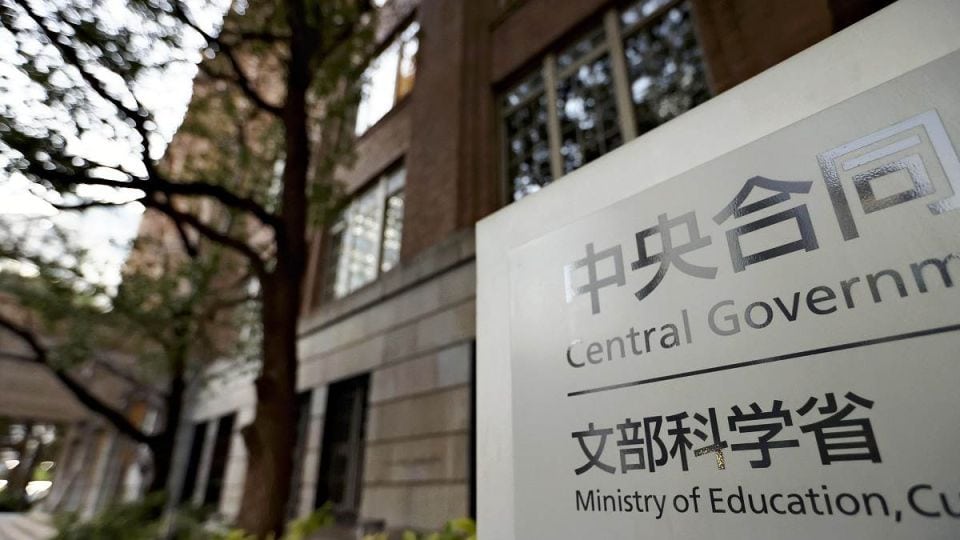
Japan's Education Ministry is planning a graduate-school program that would let working adults earn a teaching license in just one year. Participants would gain classroom experience and be paid while they train. The government aims to launch the system by fiscal 2030.
Under the plan, graduate schools and local boards of education would design the curriculum together and select candidates with an eye toward hiring them once they finish. The initiative is meant to lighten the financial burden of qualifying as a teacher and to bring people with varied career backgrounds into the profession.
The ministry intends to submit a bill amending the Education Personnel Certification Law at the ordinary Diet session next year.
At present, university graduates who have never taken teacher-training courses usually need about three years of graduate study to earn a license. The new route is aimed at graduates who already have work experience. It would compress the process into a single year, after which they could enter classrooms as fully qualified teachers.
Credit requirements
Applicants seeking a standard license would need at least 57 credits to teach at elementary schools and 56 credits to teach at junior or senior high schools. However, 20 of those credits would be counted as already earned, in recognition of their professional experience. The remaining coursework would include:
- About 10 credits in foundational subjects, such as teaching methods and the physical and psychological development of students.
- About 26 credits in practical training, including classroom instruction and student guidance.
How the program would work
Intensive graduate-level classes would be held in April, May and during the August summer break. Starting in June, participants would work in schools and receive instruction from graduate school faculty after school hours or on weekends.
Those who obtain a temporary teaching license from a local board of education during training would be able to work full time and receive a salary. Participants who complete the required credits would receive a regular license the following spring, opening the way to formal employment as teachers.
Why it matters
According to a survey by the Organization for Economic Cooperation and Development, people who entered teaching after working in other fields made up just 0.9% of lower secondary school teachers in Japan in 2024. The OECD average was 8.4%.