 Mekong Monitor
Hun Manet Says Trump Pledges Continued US Support for Cambodia–Thailand Border Peace
Prime Minister Hun Manet says US President Donald Trump has pledged to keep supporting peaceful efforts to resolve the Cambodia–Thailand border dispute. Manet credits Trump’s earlier ceasefire interventions with saving lives.
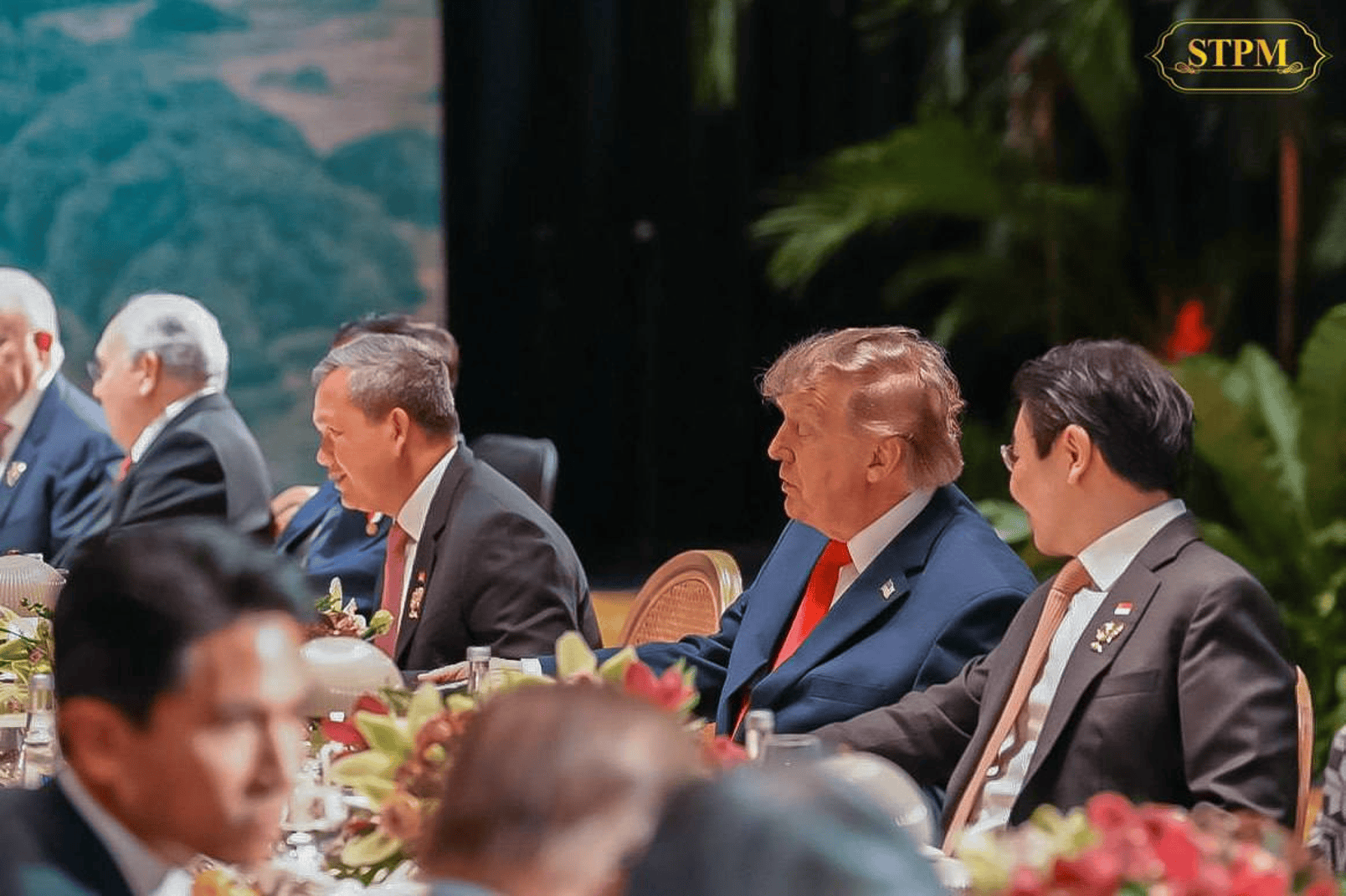
Prime Minister Hun Manet says US President Donald Trump has promised to keep supporting peaceful efforts to resolve the Cambodia–Thailand border dispute. The assurance followed a recent conversation between the two leaders over dinner.
Speaking on November 19 at the opening of upgraded infrastructure and medical equipment at several district referral hospitals, Manet said Trump had asked about the situation along the border. According to Manet, Washington will keep encouraging both countries to reach a peaceful settlement.
Manet said he sat beside Trump for about an hour at a dinner that also included several regional leaders, including Singapore’s prime minister. That gave him the chance to speak with the US president directly.
“He asked about our border situation, and we talked it through. He said the US will keep helping to push both countries toward a peaceful solution,” Manet recounted.
He described the exchange as a valuable opportunity to put Cambodia’s concerns straight to the American president and to discuss how the two countries can keep working together.
Manet said much of the discussion focused on bilateral cooperation and peacemaking, particularly Washington’s earlier role in helping to broker ceasefires between Cambodia and Thailand.
He said he had personally thanked Trump on behalf of the Cambodian people for stepping in to halt the fighting, which had killed and wounded civilians and soldiers. He also thanked him for his later involvement in securing another ceasefire, which he said had helped prevent further deaths.
In Manet’s view, the value of these interventions should be judged not only by the casualties of the fighting, but also by the lives saved once the hostilities ended. “In fighting, we can count those who are killed and wounded,” he said, “but we cannot count the people who were spared from death or injury.”
As prime minister, Manet said, he had followed battlefield reports closely, including the civilian and military casualties that mounted as fighting spread along the border. He stressed that every reported death or injury meant grief for a Cambodian family, which made ending the violence especially urgent.
“When assistance helps stop the shooting, it means stopping the bloodshed,” he said.
Manet argued that prolonged fighting would have caused far more casualties and placed even greater strain on Cambodian troops and communities.
He also addressed questions about Cambodia’s support for international recognition of Trump’s role in the peace efforts, noting that he had been asked about the issue during visits to European countries. He acknowledged that different countries may view the US president differently, but said Cambodia’s position is grounded in its own experience of the border fighting and the impact of diplomatic intervention. From Phnom Penh’s perspective, Trump’s involvement helped prevent further bloodshed at a time when renewed armed conflict threatened the country.
Manet also recalled his earlier exchange with Trump before a previous ceasefire, in which he explained Cambodia’s long history of conflict and its determination to avoid another drawn-out war. He noted that the country endured decades of internal conflict before achieving lasting peace in 1998, which made the renewed fighting along the border especially painful.
The remarks come as Cambodia continues to pursue a diplomatic resolution to its dispute with Thailand, even though ceasefire arrangements are meant to prevent further armed clashes.
At the 20th Francophonie Summit in Phnom Penh on November 15, Manet called for joint border surveys and demarcation work to resume. He reaffirmed Cambodia’s position that outstanding territorial issues must be settled under existing agreements and international law. He told the assembled leaders that roughly 20,000 Cambodians remain displaced and cannot return home while the border situation stays unresolved.
Cambodia has repeatedly called for existing bilateral agreements to be implemented and for technical talks to resume through established border mechanisms. Phnom Penh has consistently maintained that border disputes should be resolved through peaceful negotiation, not unilateral action or the use of force.
Manet’s comments suggest that Phnom Penh still regards US diplomatic engagement as an important contribution to preventing renewed hostilities and encouraging a negotiated settlement. Overall, his remarks underscored Cambodia’s commitment to diplomacy and framed the prevention of further casualties as a central reason to seek international support for lasting peace along the border.