 Mekong Monitor
How Beijing's Riverside Light Festival Could Inspire Cambodia's Night Tourism
Beijing's Liangma River light festival demonstrates how public art, performance, and cultural programming can be integrated into nighttime tourism — a model Cambodia could adapt for its own waterfront destinations.
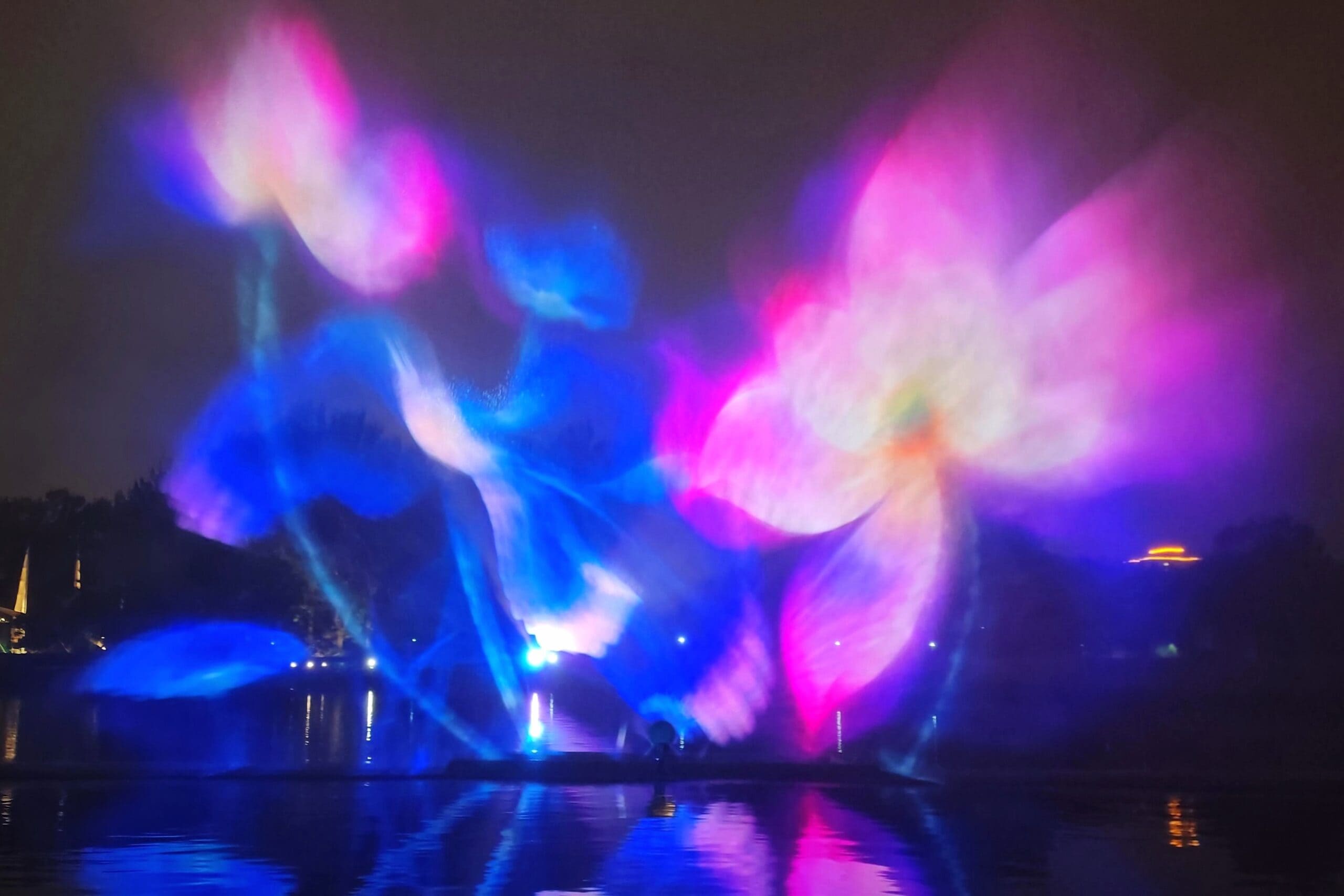
A sprawling light and performance festival along Beijing's Liangma River is providing inspiration for how Cambodia might expand its own nighttime cultural offerings around waterways and public areas. The event, attended by journalists from across Southeast Asia in late September, showcased an integration of illuminated art, live music, and international performances in an outdoor urban setting.
Visiting media representatives watched the opening ceremony for the 2026 Chaoyang International Light Consumption Season at the Shell Theatre before embarking on an evening river cruise that wound past various performance sites and interactive art pieces lining the waterway.
The festival illustrates a model for weaving public art together with dining, retail, and cultural programming to draw crowds after sunset, while simultaneously bringing artistic experiences beyond the walls of traditional venues.
This concept holds particular promise for Cambodia, especially along Phnom Penh's waterfront and in Siem Reap, where traditional performances, local cuisine, open spaces, and lit-up historical sites could be woven into cohesive nighttime tourism circuits.
Cambodia's Existing Experiments
Cambodia has already begun testing similar concepts through the annual Thanks Angkor Festival and its Memory Night series, which bring cultural programming into the Angkor Archaeological Park after dark.
The 2022 edition marked three decades since Angkor's UNESCO World Heritage designation, featuring traditional Khmer performances including Lakhon Khol and Kun Lbokator staged behind Angkor Wat temple.
The following year saw nearly 80,000 visitors attend exhibitions and shows throughout the archaeological complex. Evening programs included shadow puppetry, mask dance, and martial arts demonstrations at sites including the Terrace of the Elephants.
Art in Urban Life
Richard Lewis, who chairs the Asian Arts Fund Scotland and previously led the Edinburgh Festivals Committee, noted that the Liangma River provides an ideal venue for integrating art into daily city life.
He described how the waterfront functions as a stage with the urban landscape as backdrop, allowing art to escape institutional confines and blend with the riverside atmosphere, city streets, and the rhythms of local residents.
Lewis explained that the Edinburgh Festival has partnered with the Liangma River International Arts Festival to create an international cultural exchange called Dialogue Between Two Cities, hoping to establish ongoing collaboration between Chaoyang and Edinburgh that includes artist exchanges and shared creative works.
Edinburgh's festivals draw over 4.5 million people each year, according to Lewis, turning Scotland's capital into an international performance venue through shows in streets, historic structures, and temporary spaces.
The Beijing Model
The Liangma River festival applies similar principles, embedding performances and installations within commercial zones and public areas.
During their boat journey, the Southeast Asian journalists observed a light-and-shadow presentation at the Shell Theatre, a water piano installation at White Sail Pier, Chinese instrumental music near Lotus Lake, and a floating stage shaped like a Rubik's Cube on North Lake. Interactive water shows and illuminated displays also appeared at Shuidui Bridge and additional riverside locations.
The festival encompasses 46 light installations developed with international creative teams, eight leading Chinese art academies, and other institutions. Organizers have mapped out four thematic routes linking light displays with art, music, food, creative sectors, sports, and traditional cultural heritage. More than 20 cultural and entertainment activities are planned across Chaoyang's main shopping districts.
Running from mid-September through mid-October 2026, the festival spans China's Mid-Autumn Festival and National Day holidays, with major light installations activated in late September.
Organizers aim to position Chaoyang as an internationally recognized urban destination for light art, where visitors can watch performances, engage with cultural activities, and support local commerce.
Lessons for Cambodia
While not officially an ASEAN-China initiative, the presence of regional journalists offered a window into how Beijing connects public culture with tourism and the after-dark economy.
For Cambodia, the experience suggests that nighttime tourism need not rely exclusively on bars, restaurants, or commercial entertainment. Traditional music and dance, handicrafts, local food, illuminated heritage sites, and river-based performances can be combined into richer cultural experiences.
Phnom Penh could test such programming along stretches of its riverfront, while Siem Reap might further link Angkor's evening performances with the Siem Reap River, local markets, Khmer cooking, and traditional arts.
Cambodia has already moved in this direction with weekly cultural pop-up performances launched in Siem Reap in mid-September, featuring Kun Lbokator at the Terrace of the Elephants on Fridays and shadow puppet theater along the Siem Reap River on Saturdays.