 Mekong Monitor
How Beijing's Illuminated Riverfront Festival Could Inspire Cambodia's Night Tourism
Beijing's Liangma River light festival demonstrates how public art, performances, and illuminated spaces can transform waterfront areas into vibrant evening destinations—a model Cambodia could adapt for its own rivers and cultural sites.
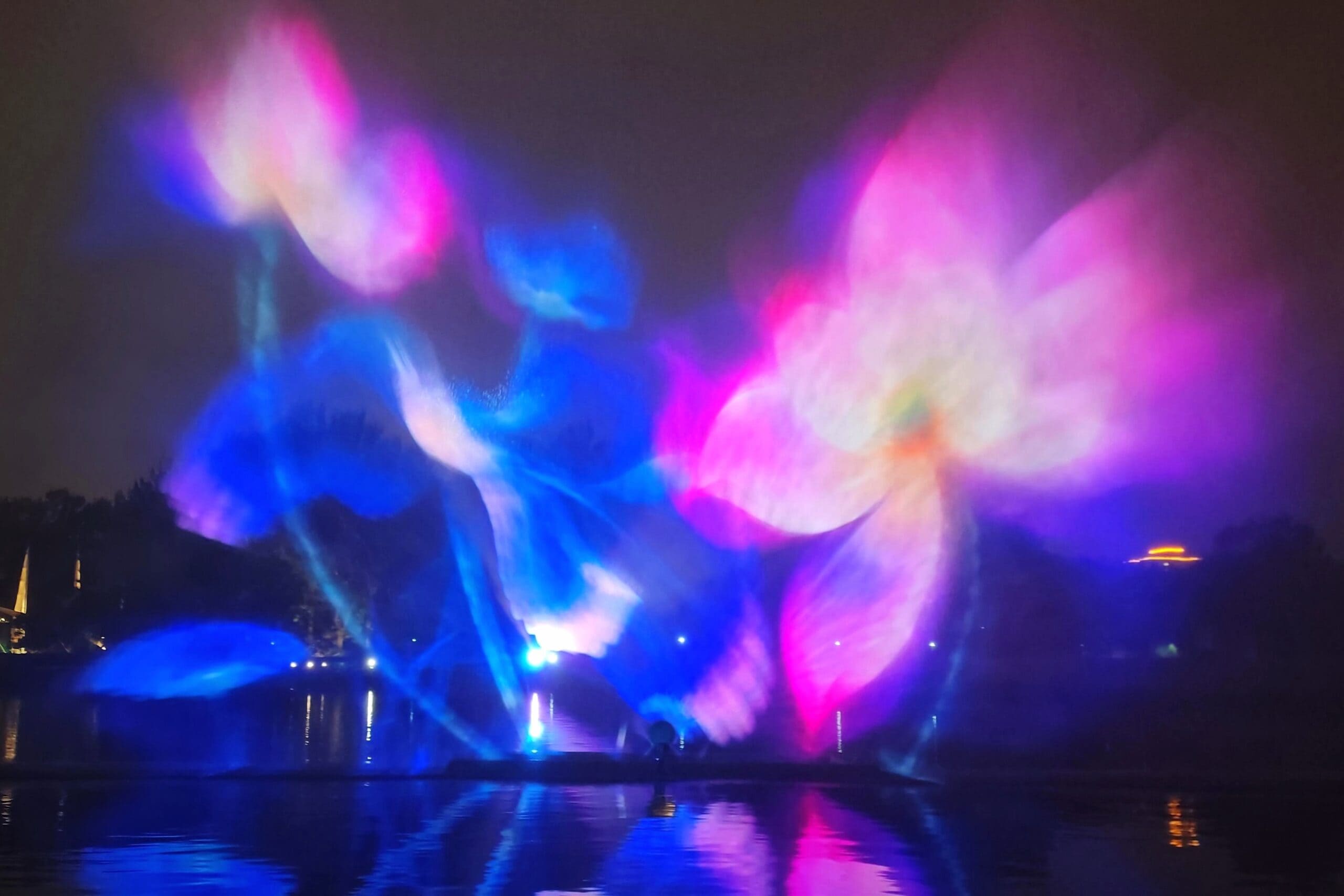
A spectacular light festival along Beijing's Liangma River is providing fresh ideas for how Cambodia might expand its evening tourism offerings around waterways and public areas. The event, which welcomed Southeast Asian journalists on September 24, showcased an innovative blend of illuminated art, live music, and international acts stretched across an outdoor riverside venue.
The visiting media representatives first gathered at the Shell Theatre for the launch ceremony of the 2026 Beijing Chaoyang International Light Consumption Season, then embarked on an evening boat journey past numerous performances and participatory light displays lining the waterway.
What made the experience particularly noteworthy was its demonstration of merging public artistic expression with hospitality, retail, dining, and cultural programming to draw crowds after sunset—all while bringing performances out of traditional indoor venues and into accessible outdoor settings.
Potential Applications for Cambodian Cities
This model holds promise for Cambodia, especially along Phnom Penh's famous riverside promenade and throughout Siem Reap, where Khmer cultural shows, regional cuisine, public gathering spaces, and illuminated historical sites could be woven together through curated after-dark tourism paths.
Cambodia has already begun testing the waters with evening cultural programming at Angkor Archaeological Park through the yearly Thanks Angkor Festival and its "Memory Night" series.
The 2022 edition marked three decades since Angkor earned UNESCO World Heritage status, featuring Lakhon Khol, Kun Lbokator, and additional Khmer art forms performed behind Angkor Wat's iconic silhouette.
By 2023, close to 80,000 people attended exhibitions and shows throughout the archaeological complex. Evening offerings included Lakhon Yike, Lkhon Sbek Thom, and Lakhon Khol near Angkor Wat, alongside Khmer martial arts displays at the Terrace of the Elephants.
Learning from Edinburgh's Festival Model
Richard Lewis, who currently chairs the Asian Arts Fund Scotland and previously led the Edinburgh Festivals Committee, noted that the Liangma River environment proves ideal for integrating art into daily urban experience.
"The waterfront becomes our performance space and the cityscape becomes our scenery. Without physical boundaries, art breaks free from enclosed theaters and exhibition halls," Lewis explained. "It blends with the river's evening air, the urban pathways, and the routine experiences of people who live there."
Lewis revealed that the Edinburgh Festival and Liangma River International Arts Festival have created a collaborative cultural exchange called "Dialogue Between Two Cities." He voiced optimism that this partnership would foster ongoing cooperation between Chaoyang and Edinburgh, including artist exchanges, sharing of original creations, and knowledge transfer between creative communities.
Edinburgh's annual festivals draw over 4.5 million visitors, according to Lewis, converting Scotland's capital into an international performance hub through shows in streets, heritage structures, and pop-up locations.
Inside the Liangma River Experience
The Beijing festival employs comparable tactics along the Liangma River, where acts and installations integrate seamlessly with business zones and communal spaces.
Throughout their boat excursion, the Southeast Asian journalists witnessed a light-and-shadow spectacle at the Shell Theatre, a water-piano display at White Sail Pier, a classical Chinese instrumental presentation near Lotus Lake, and a floating "Rubik's Cube" platform on North Lake. Interactive aquatic performances and illumination shows were also featured at Shuidui Bridge and additional riverside points.
The festival presents 46 light-and-shadow pieces developed with global art collectives, eight prominent Chinese art institutions, and various other organizations. Festival planners have also crafted four thematic pathways that combine light exhibits with artistic expression, musical performances, culinary offerings, creative sectors, athletics, and intangible cultural traditions.
More than 20 cultural and recreational activities are scheduled across Chaoyang's principal shopping and entertainment zones. The 2026 festival spans September 11 through October 11, encompassing China's Mid-Autumn Festival and National Day celebrations, with featured light installations officially switched on September 24.
Implications for Cambodia's Tourism Development
Event coordinators stated their goal was positioning Chaoyang as a globally recognized urban destination for light and shadow art where guests can view performances, engage with cultural programs, and support neighborhood establishments.
While not officially an ASEAN–China occasion, the attendance of journalists from Southeast Asian nations offered them a chance to study Beijing's approach to linking public culture with tourism and the evening economy.
For Cambodia, the observation suggests that nighttime tourism need not rest exclusively on bars, dining venues, or commercial amusement. Traditional musical forms, dance, handcrafted goods, local dishes, lit-up heritage landmarks, and river-centered performances can be assembled into a richer cultural journey.
Phnom Penh might investigate such programming along designated stretches of its waterfront, while Siem Reap could further unite Angkor's evening performances with the Siem Reap River, neighborhood markets, Khmer culinary traditions, and customary arts.
Cambodia has already taken initial strides in this direction with weekly cultural pop-up performances that began in Siem Reap on September 18, showcasing Kun Lbokator at the Terrace of the Elephants on Fridays and Lkhon Sbek Thom along the Siem Reap River on Saturdays.