 Mekong Monitor
Haze Crisis Sparks Fresh War of Words Ahead of ASEAN Summit
Indonesia's wildfires and toxic haze have sparked a fresh diplomatic dispute with Malaysia and Singapore, as President Prabowo blames foreign companies and officials trade accusations ahead of an ASEAN summit.
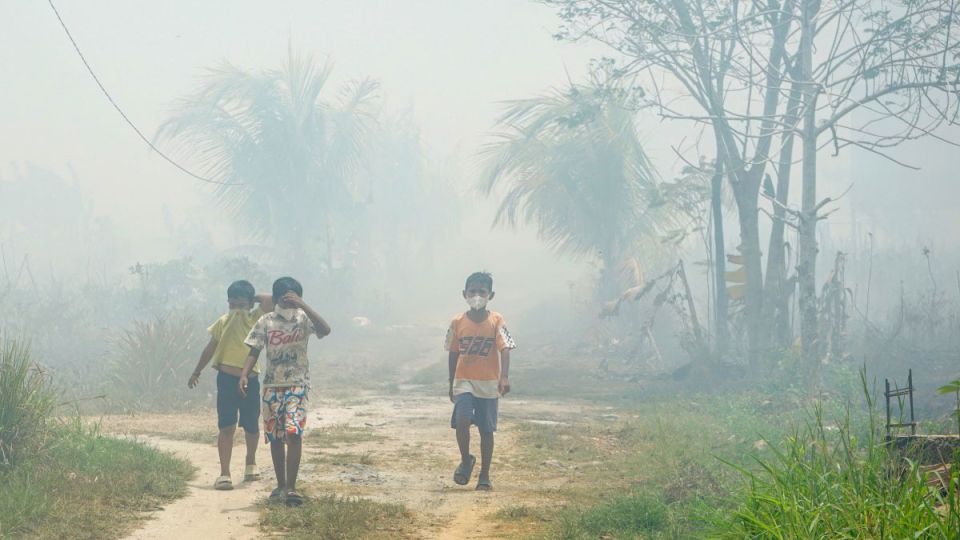
Forest and peatland fires burning across Sumatra and Kalimantan have set off a new round of public accusations between Indonesian officials and politicians in Malaysia and Singapore. The central questions are who is to blame for the blazes and what role foreign corporations play in them.
The fires have burned for weeks, devastating large areas of both islands during an unusually severe dry season linked to El Niño. The toxic smoke has drifted into Singapore and Malaysia, turning what began as a domestic disaster into a diplomatic dispute.
On Wednesday, President Prabowo Subianto addressed a cabinet meeting marking his second anniversary in office. He targeted unnamed countries that, in his words, enjoy insulting Indonesia over the fires. He insisted that foreign companies bear responsibility for the crisis and said Indonesia would name them “when the time comes.” He added that the country is patient and polite but will not keep tolerating provocation.
Prabowo, whose approval ratings have dropped to their lowest level ahead of the anniversary, said he had ordered law enforcement agencies, backed by the military and intelligence services, to investigate. He said the fires were not purely natural and labeled deliberate burning “environmental terrorism.”
On Thursday, he said authorities had found signs linking several foreign firms to the fires. He pledged to revoke the permits of any company found to have broken the law and suggested Indonesians could take over management of the affected plantations.
The president's remarks come amid growing criticism at home and abroad of how Jakarta has handled the haze and spreading fires. Affected Indonesians want the government to do more to put the fires out, and several politicians in neighboring countries have questioned its response.
Malaysian lawmaker Syed Saddiq Syed Abdul Rahman is among the critics. He has called on ASEAN members to apply diplomatic and financial pressure on Indonesia over the recurring haze and described the country as an “outcast” in the region.
Singapore's Prime Minister Lawrence Wong and Sustainability and Environment Minister Grace Fu announced last week that they would take firm legal action. They issued preventive measure notices to seven Indonesian companies strongly suspected of being behind fire hotspots.
Former trade minister Muhammad Lutfi responded on social media on Tuesday, rejecting the political posturing of Singaporean and Malaysian politicians. He argued that the haze should not be used for political point-scoring and said companies from both countries that run plantations in Indonesia should also be held accountable.
Ignasius Jonan, a member of the Presidential Advisory Council (Wantimpres), also pushed back against criticism from Singapore and Malaysia. In an Instagram video, he urged the two neighbors to cooperate with Indonesia in fighting the fires and in holding companies responsible.
The row comes as Southeast Asian foreign ministers prepare to discuss the haze at preparatory meetings ahead of the bloc's November summit in Manila. The talks follow Malaysia's call for an urgent regional meeting on the recurring problem.
Calls to stop trading blame and act
Recent reports from the environmental groups Greenpeace and Walhi have identified companies based in Singapore and Malaysia whose Indonesian subsidiaries or local operations are allegedly linked to fire-affected areas.
Activist Umi Ma'rufah of Walhi, however, criticized Prabowo for focusing on perceived insults from other countries instead of the government's own responsibility for fires that continue to choke Indonesians with toxic smoke.
She warned that claims of foreign involvement should not become a way for the government to dodge its own accountability. Authorities, she said, must identify everyone responsible, whether foreign-owned or domestically owned, and ensure they face the consequences under existing laws.
International relations expert Hikmahanto Juwana criticized the back-and-forth among officials. He said Indonesia, Singapore and Malaysia should concentrate on putting out the fires rather than arguing in ways that do nothing to stop them. He asked whether these debates would extinguish the blazes in Kalimantan and Sumatra, answering that they would not, and urged the three countries to work together under the ASEAN Agreement on Transboundary Haze Pollution.