 Mekong Monitor
Guterres Urges Francophonie to Back Peace Over Arms Spending, Which Now Dwarfs Aid 13 to 1
UN Secretary-General António Guterres urged leaders at the 20th Francophonie Summit in Phnom Penh to invest in diplomacy and development, warning that military spending now dwarfs aid. Cambodia's prime minister also proposed a Francophone network to help prevent conflicts before they turn violent.
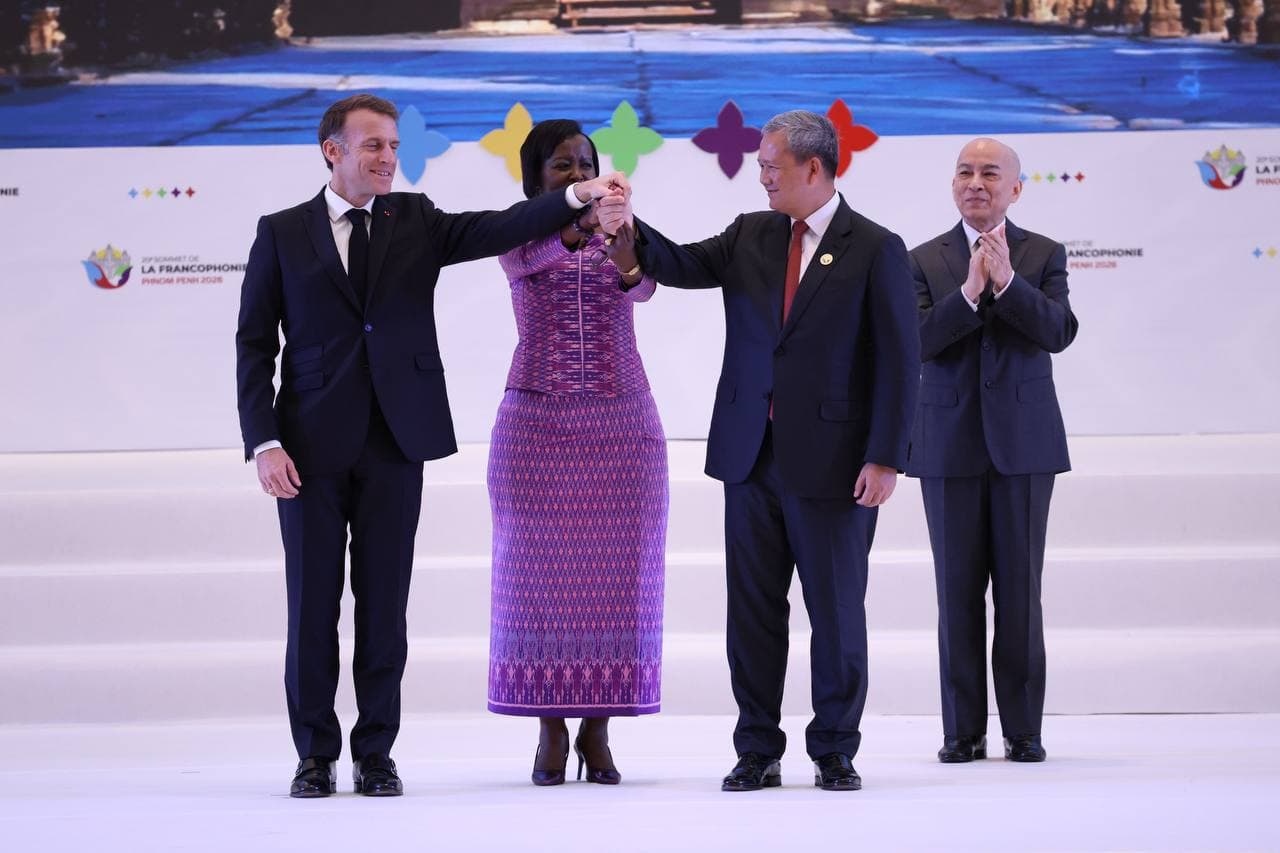
UN Secretary-General António Guterres urged world leaders at the opening of the 20th Francophonie Summit in Phnom Penh on November 15 to put more money into diplomacy and development. He pointed out that global military spending is now 13 times larger than development aid.
Guterres said many countries are being forced to choose between paying off their debts and meeting the basic needs of their people. He called for stronger support for diplomacy, respect for international law, and a fairer global financial system. Peace, he argued, is the most valuable investment nations can make.
He also said women and young people should have a bigger voice in decision-making, and that Africa should hold a permanent seat on the UN Security Council. The shared French language, he added, could help build the trust that diplomacy depends on.
This was Guterres's final speech to the Francophonie as UN Secretary-General. He thanked member states for their cooperation on peace, sustainable development, human rights and multilingualism, and promised that the UN would continue working with them.
Cambodian Prime Minister Hun Manet proposed creating a Francophone network for conflict prevention and mediation, bringing together diplomats, experts and institutions. Such a network, he said, could help countries open talks before disputes escalate into violence, but only at the request of the states involved. He stressed that preventing conflict is far cheaper than rebuilding after it.
Hun Manet also put forward a programme to train young people in artificial intelligence, connect universities, and share French-language educational resources, with a focus on the countries that have the fewest resources.
He said the dividends of peace should be visible in daily life, through jobs, higher incomes and access to education.
Louise Mushikiwabo, Secretary-General of the International Organisation of La Francophonie (OIF), recalled how the Paris Peace Agreements, signed 35 years ago after a lengthy diplomatic process, paved the way for Cambodia's reconstruction. She said that experience echoed Rwanda's own history. Mushikiwabo suggested the OIF could help keep lines of dialogue open and encourage parties to return to negotiations, though any success ultimately depends on political will.
Heads of state and government are scheduled to meet behind closed doors on November 16 to discuss how Francophone countries can help build lasting peace.
In his opening address, King Norodom Sihamoni drew on Cambodia's experience of war and reconstruction. He noted that the country's past shows how long recovery from conflict can take, and he called for women and young people to have a stronger say in the decisions that will shape their future. Stability and growth, he said, cannot be sustained without peace.
During the opening ceremony, France handed the summit presidency to Cambodia. French President Emmanuel Macron urged leaders to turn their solidarity into concrete commitments that respect international law and the UN Charter. He observed that a common language gives Francophone nations a basis for dialogue and mediation, even when their interests and perspectives differ.
In his welcome remarks, Hun Manet called on Cambodia and Thailand to honour their existing agreements and resume joint surveys and demarcation of their shared land border. He said the ceasefire that took effect on December 27, 2025, is holding, although the situation remains fragile and about 20,000 Cambodians are still unable to return home. Their safe and dignified return, he said, remains the government's top priority.