 Mekong Monitor
Group Urges Cambodians to Drop Plastic From Pchum Ben River Offerings
An environmental group is calling on Cambodians to replace plastic in their Pchum Ben river offerings, warning of lasting damage to the Mekong. Authorities hauled 55,648 tonnes of rubbish to Phnom Penh tips during the festival.
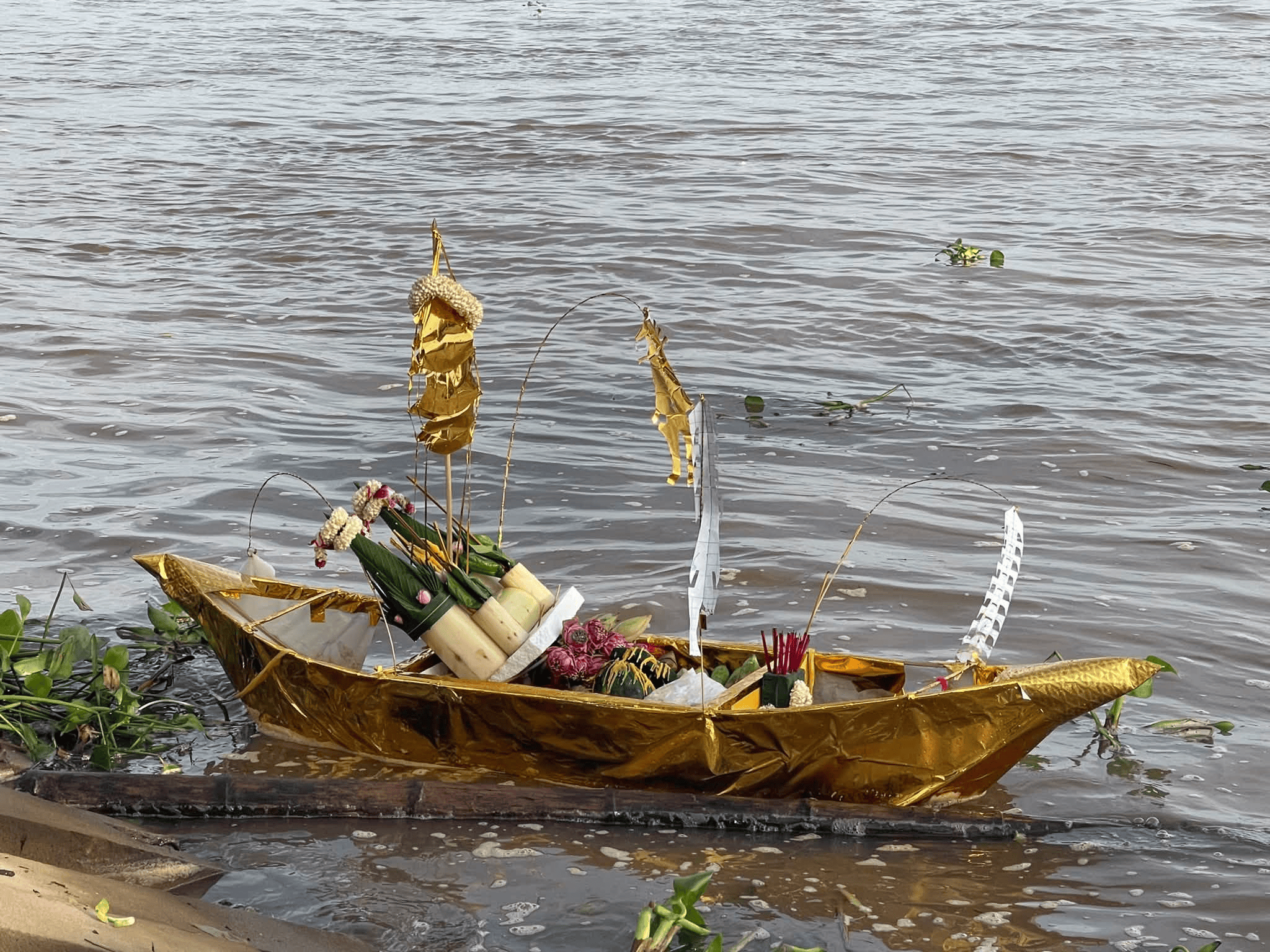
Piles of plastic waste along the Mekong River, near pagodas, boat moorings, makeshift shelters, fish farms, riverside stalls and spots where people gather to eat and drink, have prompted questions about where all the rubbish comes from, why there is so much of it, and why it is so hard to clear completely.
The environmental group River Ocean Cleanup raised these concerns after the Pchum Ben festival ended. It warned that the plastic left behind will continue to harm the river for a long time.
Offerings and the river
Many Cambodians float offerings on the water as prayers for good luck, prosperity, good health and blessings for themselves and their families. The group said these customs are rooted in faith, tradition and hopes for a better life. It asked, however, whether people think about what happens to these offerings once the current carries them away.
Some offerings include plastic bottles, artificial decorations and plastic ribbons, which can stay in rivers for years. As the current moves them downstream, they add to plastic pollution, endanger aquatic life, damage ecosystems and put at risk the communities that rely on the Mekong.
Simple alternatives
The organisation stressed that it is not asking people to give up their beliefs or traditions. Instead, it suggested small changes that would greatly reduce the impact:
- Use natural materials such as banana sheaths and leaves, which break down on their own.
- Avoid plastic altogether, and never throw rubbish into the river.
- Where possible, make offerings on land at pagodas or other designated places.
“The Mekong River gives us water, food, livelihoods and life. Protecting it is also a way of showing gratitude and respect for nature,” the group said. It added that people can ask for blessings without polluting the water, and that protecting the Mekong depends on everyone working together.
A shared responsibility
River Ocean Cleanup said Cambodia can only curb waste pollution in its rivers and seas if people collectively change their habits. That change, it argued, needs to be backed by proper waste management infrastructure, public awareness campaigns and consistent enforcement of the law.
The Ministry of Environment said authorities carried 55,648 tonnes of rubbish to tips in Phnom Penh during the 15-day Pchum Ben festival period in 2026. That was roughly 10 per cent less than during the same period in 2025.