Fujian’s Aquaculture Blueprint Offers Transferable Insights for ASEAN
Fujian’s aquaculture success stems not from a single species, but from a replicable system of breeding, processing, and sustainability — offering ASEAN a framework to develop their own locally suited industries.
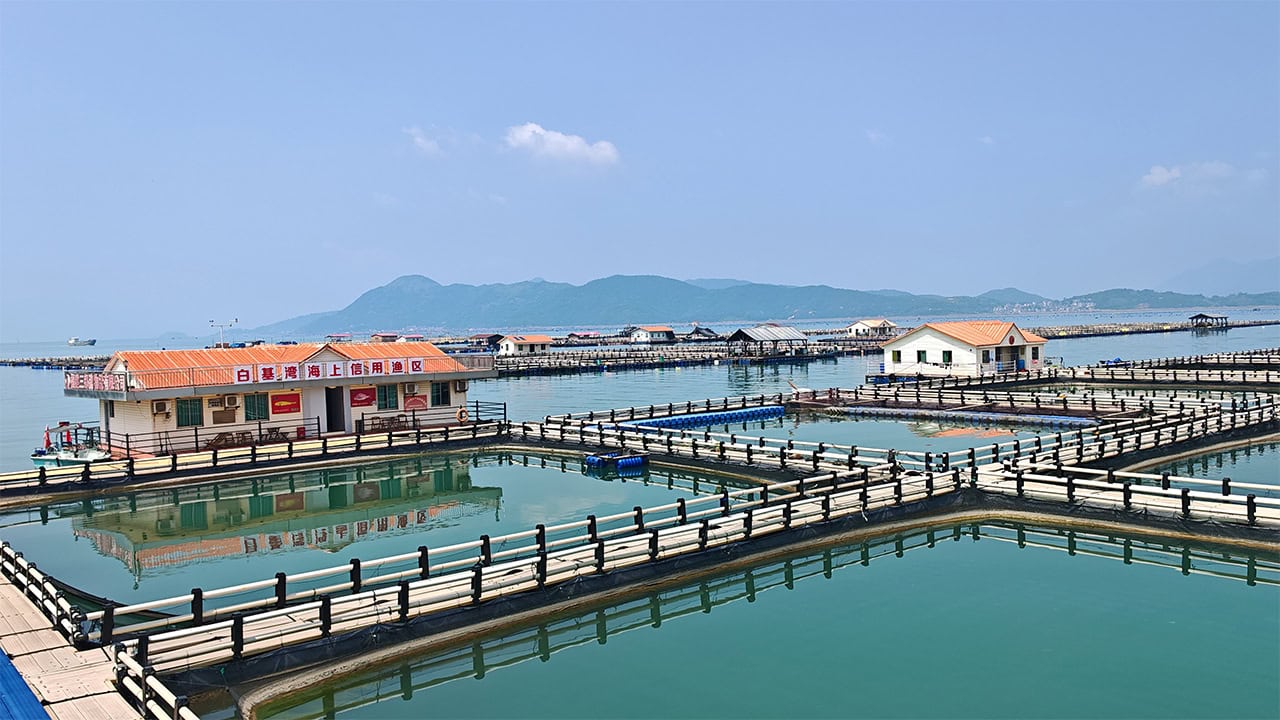
A successful aquaculture model developed in China’s Fujian province presents valuable lessons for Cambodia and other ASEAN nations — not by copying the exact species, but by adapting the underlying technology, management practices, and integrated supply chain to suit local conditions.
You Weide, chairman of several aquaculture companies in Ningde, emphasized that while the large yellow croaker thrives in Fujian’s coastal waters, the real opportunity lies in applying its farming know-how to regionally appropriate species. His approach covers breeding, feed formulation, disease control, quality assurance, processing, and logistics — all adaptable to different aquatic animals.
The industry’s growth in Ningde illustrates how coordinated efforts among researchers, policymakers, private investors, and local communities can restore depleted stocks and revitalize coastal economies. Once nearly extinct in the wild, the large yellow croaker is now a commercially viable farmed fish, providing livelihoods and improving living standards for generations of fishermen.
Key to this success is a vertically integrated system: from broodstock selection and hatchery operations to modern cages, mechanized feeding, and cold-chain logistics. Different species like abalone, lobster, and shrimp are supported with tailored equipment and feed, showing how flexible and scalable the model can be.
For ASEAN countries like Cambodia, where water temperature and ecology differ significantly, the priority is selecting local species that match environmental conditions. At the same time, strict quality controls and modern processing standards remain essential — particularly when targeting high-value export markets.
You also stressed sustainability as non-negotiable. Protecting marine ecosystems is central to long-term viability, he noted, since clean waters and healthy habitats directly affect fish wellness and product quality. Government backing has also been critical, with support for R&D, infrastructure upgrades, and advanced breeding programs helping scale the industry.
The transformation hasn’t just boosted incomes — it’s reshaped employment in coastal areas. Younger generations, trained in technical or business disciplines, are now filling roles in management, processing, and logistics, blending traditional knowledge with modern expertise.