 Mekong Monitor
Francophonie Leaders Urge Cambodia and Thailand to Restart Border Demarcation
Francophonie leaders have urged Cambodia and Thailand to resume joint border surveying and demarcation and fully observe their ceasefire. The call was part of the summit's resolution on crisis response and peacebuilding.
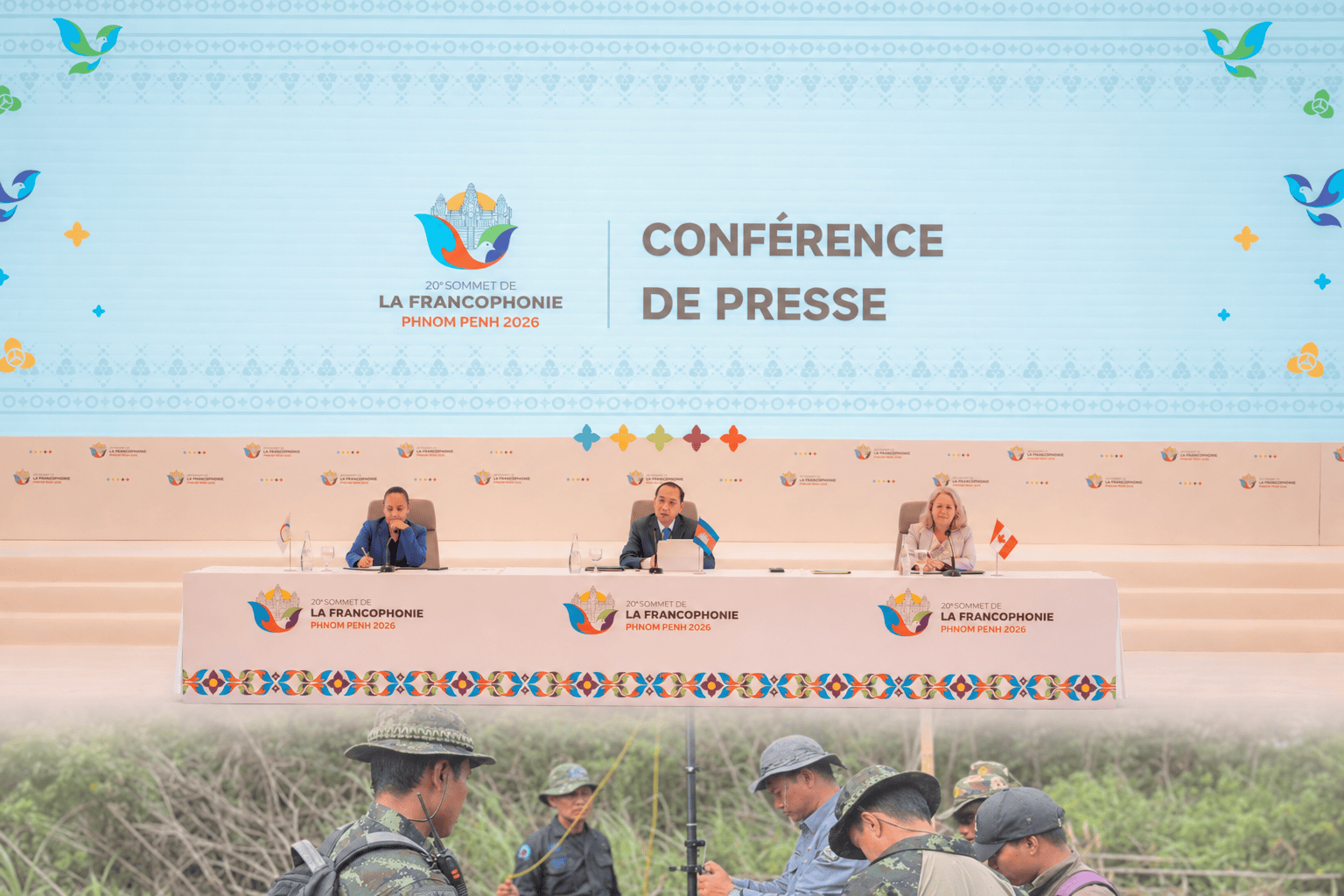
Leaders at the 20th Francophonie Summit have called on Cambodia and Thailand to quickly resume their joint border survey and demarcation work and to fully observe their ceasefire, according to Information Minister Neth Pheaktra.
Speaking to reporters at the close of the summit, Pheaktra said the appeal was part of the summit's resolution on crisis situations, recovery from crises and peacebuilding.
In a section focused on Cambodia and Thailand, the leaders expressed concern about lingering tensions along the border. They also reaffirmed their support for Cambodia's sovereignty and territorial integrity.
What the Resolution Calls For
The resolution asks both governments to carry out the commitments made in the December 27, 2025 joint statement, including getting the Joint Boundary Commission (JBC) back to work. It says surveying and demarcation should move forward under existing agreements.
It also stresses that border disputes must be settled only through peaceful means under international law. According to the resolution, no territory should be altered by force or by creating facts on the ground.
Leaders urged both countries to avoid any steps that could reignite tensions or undermine the work of defining and marking the border. They also welcomed joint efforts to ease the situation and regional initiatives aimed at rebuilding trust.
Protecting Civilians
The resolution voiced concern for people forced from their homes by the fighting, particularly Cambodians. It calls for displaced families and affected communities to have safe and unrestricted access to humanitarian aid and essential services, and for their rights to be protected while they are displaced.
It further urges the removal of obstacles and the creation of conditions that would allow displaced people to return to their home communities safely, voluntarily and permanently.
Hun Manet Raises the Same Concerns
Prime Minister Hun Manet had raised the same issues a day earlier, at the summit's opening. He said the ceasefire is holding, but the situation remains fragile, with thousands of troops still facing each other and about 20,000 Cambodians unable to return home.
Manet stressed that the safe and dignified return of these people remains a top priority. He again urged Cambodia and Thailand to honor their existing agreements and restart joint surveying and demarcation of the land border.
Maritime Dispute and Heritage Appeal
The resolution also encourages continued dialogue and the use of peaceful legal procedures under international law to settle maritime disputes. It refers to the compulsory conciliation process launched under the 1982 UN Convention on the Law of the Sea. Manet noted that Thailand is taking part in that process.
The crisis resolution was one of three main outcomes of the two-day summit. The others were the Phnom Penh Declaration and the Phnom Penh Appeal on the Protection of Cultural Heritage and the Promotion of Cultural Diversity.
Pheaktra said Cambodia proposed the heritage appeal after ancient temples along the border were damaged. He added that Cambodia will keep working toward a peaceful settlement to protect those sites over the long term.