 Mekong Monitor
Forty-Seven Years On: From the Cliffs of Phnom Kmouch to the Shelling of Nong Chan
A reflection on the 1979 forced expulsion at Phnom Kmouch and the shelling of Nong Chan (Camp 511), two episodes of violence that devastated Cambodian refugees, and the humanitarian workers who helped them survive.
Forty-seven years after the border crises of 1979, the ordeal of Cambodian refugees along the frontier still stands as a powerful reminder of how vulnerable people can be, and how much they can endure. Between June and November 1979, civilians who had fled war, famine and terror inside Cambodia were caught up in two separate episodes of deadly military violence at the border.
Phnom Kmouch: The Forced Expulsion (June 1979)
From 8 to 12 June 1979, Thai military and security forces carried out one of the most brutal forced repatriations in the history of modern refugee crises.
More than 42,000 Cambodians, including men, women, children and the elderly, who had sought sanctuary across the frontier were rounded up from transit sites such as Wat Koh and Nong Samet. They were loaded onto hundreds of covered military trucks and buses and driven north under armed guard toward the steep, remote escarpment of the Dângrêk Mountains.
The removal reached its climax in the early hours of 11 and 12 June, between 5 and 6 a.m., at the cliffs of Phnom Kmouch near Prasat Preah Vihear. Under the threat of guns, Thai soldiers pushed tens of thousands of unarmed people down jagged rock gorges and jungle-covered cliffs and into dense, active minefields. Families were forced down the mountainside under threat of live fire, and those who hesitated or refused to go down were shot.
Thousands died on the slopes of Phnom Kmouch. Some were killed by landmines, some fell from the cliffs, and others were shot along the ridge. Many succumbed to dehydration, starvation and malaria in the impassable border buffer zone below before survivors could finally reach safety. It remains a lasting tragedy of civilian vulnerability during the Cambodian refugee crisis.
Nong Chan: The Shelling of Camp 511 (November 1979)
Five months later, on 8 November, refugees at Nong Chan camp, also known as Camp 511, suffered another episode of military violence along the border.
These people had reached the border looking for safety. Yet on that day, the camp itself became a site of deadly violence. The Washington Post reported on 9 November 1979 that the Thai military had fired hundreds of mortar rounds into the camp, killing and wounding refugees. The initial casualty figure given at the time was 93 civilians and six soldiers killed, with mortar shells hitting refugee housing and front-line medical facilities.
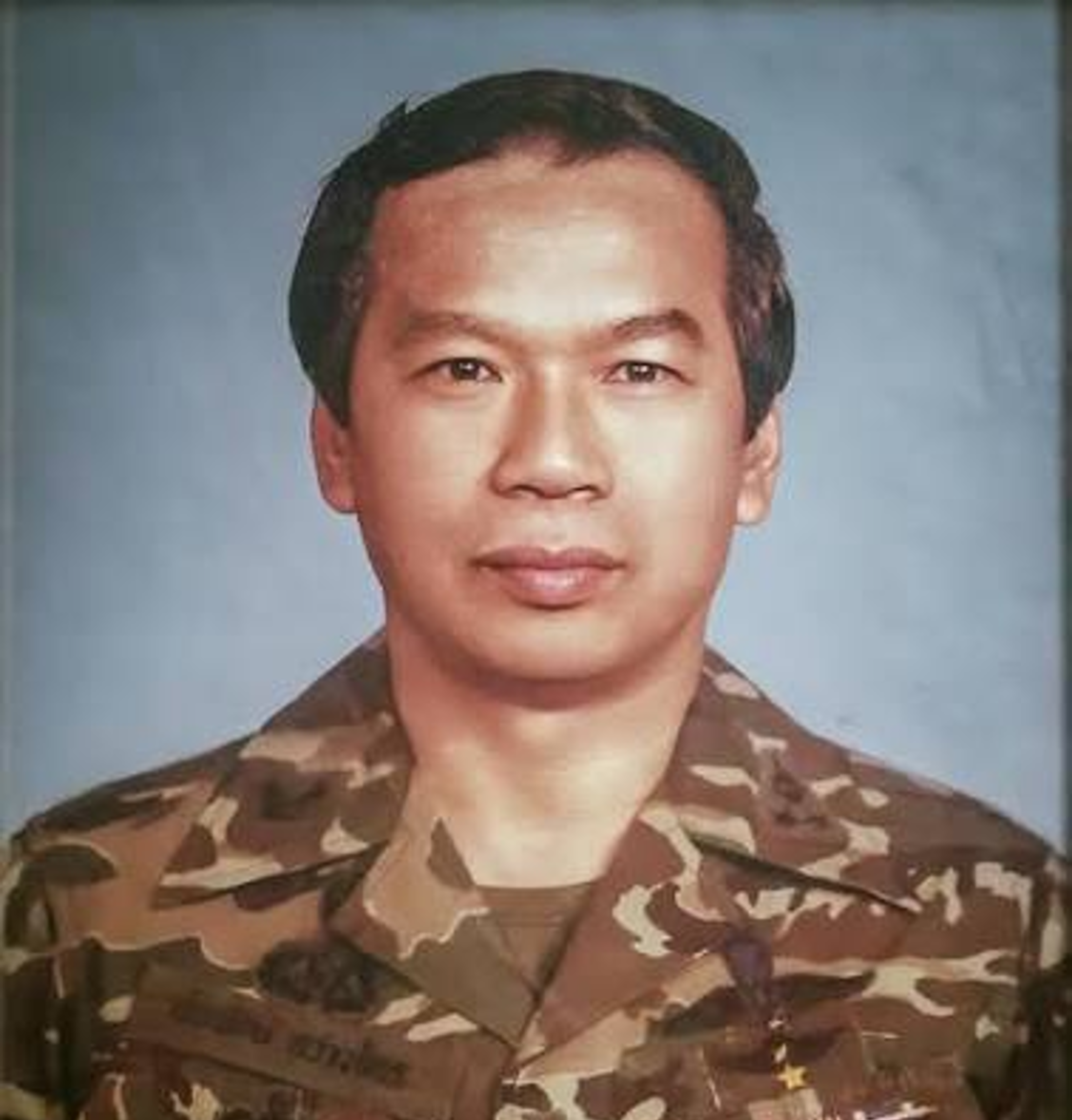
Later historical accounts named Colonel Prachak Sawaengchit, the local Thai military commander, as the officer who ordered the shelling. A March 1980 US Congressional Record also supported the finding that Thai forces under Colonel Prachak's command had shelled Nong Chan during cross-border operations.
Who Helped the Cambodian Refugees?
This history should also honour the collective humanitarian response that helped people survive.
Many refugees depended on the international community and relief agencies, whose staff worked directly on the dangerous frontier. UNICEF provided vital food and child health programmes, while the International Committee of the Red Cross (ICRC) ran emergency triage clinics, treated traumatic injuries and worked to trace missing relatives. The United Nations later set up UNBRO (the United Nations Border Relief Operation) to coordinate aid logistics across the camps. US and international archives document this large-scale effort, which kept hundreds of thousands of Cambodians alive under extreme pressure.
Cambodian refugees were victims of war, displacement and geopolitical violence. Yet their survival was made possible by the courage of medical teams, aid workers and ordinary people who insisted that human dignity extended to the borderlands.
Remembering Without Hatred
Recalling Phnom Kmouch and Nong Chan is not a call for hatred against the Thai people. Ordinary civilians should never be held collectively responsible for the decisions of military commanders or state policy. Respecting historical truth means that documented events should be neither softened nor forgotten simply because they are uncomfortable.
In 1979, civilians who had escaped devastation inside Cambodia were repeatedly subjected to extreme violence at the very border where they had hoped to find refuge. They were ordinary people seeking protection. They needed shelter, food, medical care and international oversight, and above all, they needed the world to recognise their right to live.
Forty-seven years on, we honour those driven into the gorges of Phnom Kmouch and those shelled at Nong Chan. We honour the aid workers who moved into hazardous front-line positions to bring help. We preserve photographs, official records, medical registers and eyewitness accounts so that future generations understand what happened on this border.
A border line alone cannot guarantee safety. Protecting human life requires proactive measures, respect for international law and constant humanitarian vigilance.
These tragedies are part of Cambodia's story of survival, and they will not fade from memory. Forty-seven years on, we remember. We remember Phnom Kmouch. We remember Camp 511. We remember everyone who died along the frontier. And we acknowledge the international humanitarian workers who stood beside Cambodian civilians in the darkest hours of our modern history.