 Mekong Monitor
Energy minister reports steady fuel imports and days of supply buffer
Cambodia's fuel and LPG imports are continuing normally, the energy minister said, with stocks and approved purchases providing a buffer of 10 to 21 days depending on the product.
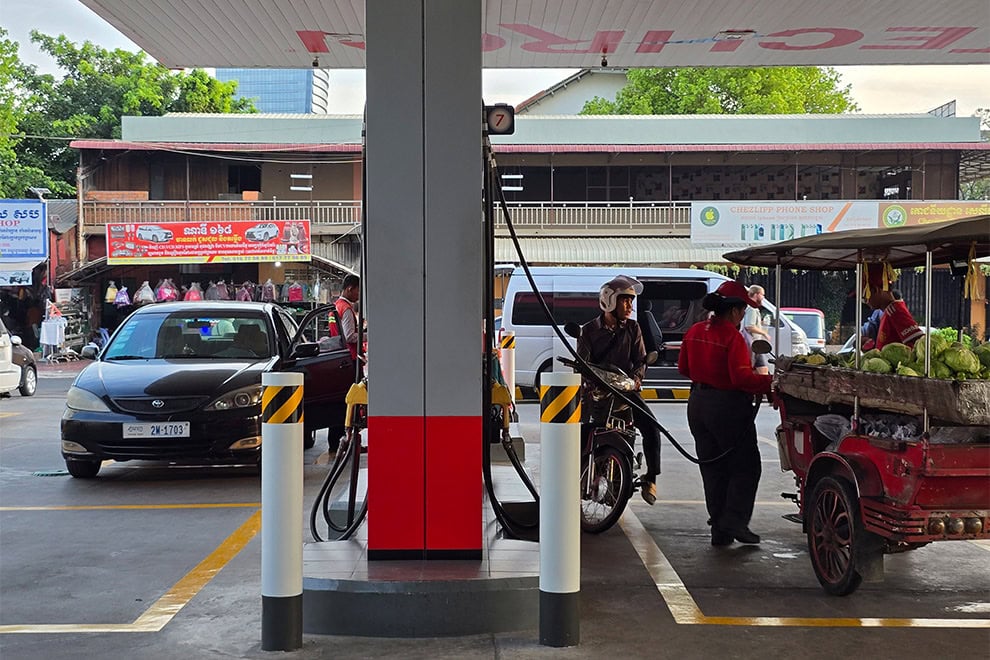
Cambodia's imports of fuel and liquefied petroleum gas are continuing normally, according to Mines and Energy Minister Keo Rottanak, who spoke on September 25. He also asked residents to use less fuel while global and regional markets remain uncertain.
How much stock Cambodia is holding
Rottanak said existing reserves and approved purchases would give Cambodia enough stock to cover 10 days of aviation fuel, 21 days of petrol, 15 days of diesel and 10 days of LPG if no additional shipments arrived.
He compared that cushion to the supply position seen before tensions in the Strait of Hormuz. The minister clarified that the figures do not mean imports have halted.
According to Rottanak, Cambodia's broad set of suppliers and regional partnerships has kept deliveries moving without interruption.
Price support and storage plans
The energy ministry, Commerce Ministry and Economy and Finance Ministry are still carrying out fuel price support measures, he said. The government is also moving forward with new storage facilities to improve long-term fuel security.
However, Rottanak said markets remain vulnerable, pointing to the ongoing Russia-Ukraine war and heightened tension near the Strait of Hormuz. He noted that some nations have taken steps to reduce fuel use and urged Cambodians to use gasoline, diesel and cooking gas responsibly.
He said the government continues to watch the situation closely and work with fuel and gas suppliers, while the ministry has asked the public to conserve as much fuel and gas as possible.
Electricity supply and Koh Kong LNG plant
Rottanak separately confirmed that electricity supply remains stable, with enough capacity available and no changes to tariffs. As of September 25, he said hydropower and solar power were providing about 83.2 per cent of Cambodia's electricity, while coal supplied 16 per cent. Fuel oil was not being used for power generation at that time.
He said Electricite du Cambodge would continue to absorb higher coal costs to avoid raising electricity prices.
The minister also provided an update on the planned 900-megawatt liquefied natural gas power project in Koh Kong province. Site preparation and work on a gas receiving port are under way, and the first 450-megawatt turbine is being transported to Cambodia.
He asked the public to rely on official information from government institutions as developments continue.