 Mekong Monitor
Embassy Fires Back as Filipino Lawmakers Push to Expel Chinese Envoy
Filipino lawmakers are urging President Marcos to expel China’s ambassador, while the Chinese Embassy in Manila answers its critics with a rapid series of sharp social media posts.
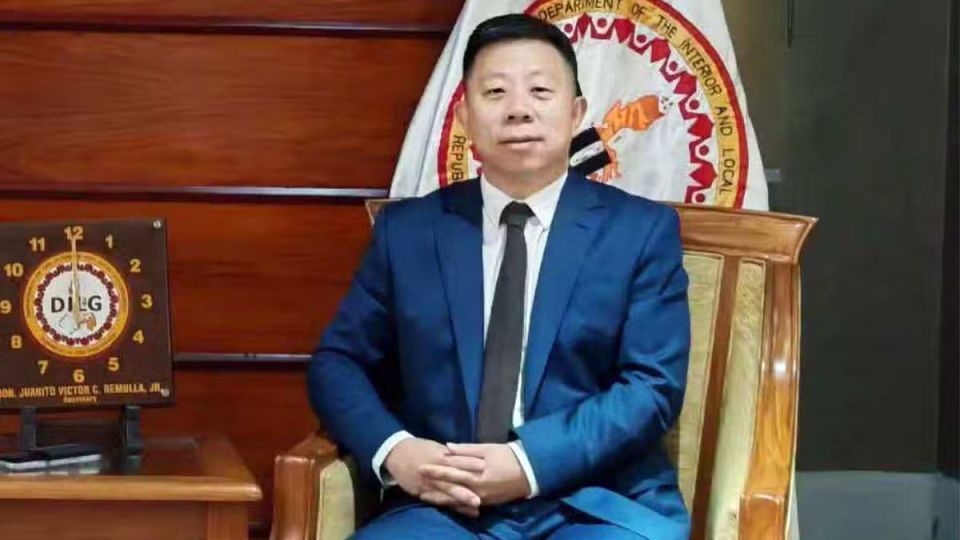
Filipino lawmakers on Wednesday pressed President Marcos to send Chinese Ambassador Jing Quan home and declare him persona non grata. The war of words between the two countries grew hotter as the Chinese Embassy in Manila traded barbs with its critics on Facebook.
The embassy posted seven short, cutting replies that day. Each one answered a statement from a senator, a party-list group, a House member or Defense Secretary Gilberto Teodoro Jr. The targets included Senators Francis Pangilinan, Panfilo Lacson and Vicente Sotto III, Akbayan, Bicol Saro Rep. Terry Ridon, Las Piñas Rep. Mark Anthony Santos and Teodoro.
On Tuesday night, Pangilinan wrote that if Marcos could go after former President Rodrigo Duterte, Apollo Quiboloy and former Speaker Martin Romualdez, and could shut down illegal offshore gaming operators, he could also send the ambassador back. Pangilinan called Jing arrogant, crude and insolent. The embassy replied by asking whether such “thuggish” language was fitting for a Philippine senator, and whether it reflected the diplomacy the Department of Foreign Affairs says it values.
A push for expulsion
In the House of Representatives, 10 lawmakers filed House Resolution No. 1562, seeking Jing’s expulsion. The group includes Senior Deputy Minority Leader Leila de Lima of Mamamayang Liberal and three Akbayan representatives: Chel Diokno, Percival Cendaña and Dadah Ismula. The resolution follows several Senate measures filed after the ambassador said China could easily win an armed conflict with the Philippines.
The resolution argues that the Constitution gives the president primary authority over foreign relations. It says the president should therefore respond decisively to any remarks or actions that threaten national sovereignty and security. Other co-signers include Zia Alonto Adiong, Mark Anthony Santos, Cielo Lagman, Kaka Bag-ao, Karl Legazpi and Adrian Amatong.
Defiance in the face of threats
Amatong’s signature added to the group’s show of defiance, even as Beijing could retaliate with entry bans. Akbayan noted that nine House members had earlier issued a joint statement against the ambassador’s threats. It said China had placed those lawmakers on a “list” to intimidate them, but that the move had backfired. With the new resolution, the group now stood at ten.
The embassy responded to the resolution with a post reading, “Okay, it’s been put on the list. As you wish.” In another post, it answered Ridon’s call to deport Jing and the staff who run the embassy’s social media accounts. Its reply was to suggest closing the entire embassy instead.
Trolls and propaganda claims
Earlier on Tuesday, Sen. JV Ejercito suggested that China might be using social media trolls to spread propaganda and deepen divisions among Filipinos over the country’s territorial sovereignty. He pointed to his own social media page, which was flooded with comments within minutes of his reaction to Jing’s remarks.
At a Senate budget hearing, Teodoro said the People’s Liberation Army uses influence and propaganda as part of its wider strategy. He cited the United Front Work Department as a key pillar of the Chinese Communist Party.
The embassy also turned its attention to Ejercito. It shared a May post from Linglong Tire, a Chinese tire maker, which showed Ejercito endorsing the brand. The embassy captioned it, “Chinese brand ambassador? How do you feel?” Ejercito has since urged Filipinos to stay alert to efforts that use social media to widen divisions on issues of national interest.
The concern is not new. A 2016 National Public Radio article cited a Harvard study that estimated the Chinese government produces about 488 million fabricated social media posts a year. In 2021, the Council on Foreign Relations, an American think tank, reported that Chinese internet trolls had gone global. It said they were increasingly pushing propaganda on foreign platforms and posed serious threats to economic security, political stability and personal safety around the world.
Calls for dialogue
Sen. Robin Padilla came to the ambassador’s defense. He urged officials to speak with Jing face to face, describing him as educated, gentlemanly and direct.
Lacson told the DFA that calling out a diplomat for undiplomatic conduct toward elected officials of the host country, and asking his government to recall him, was not a failure of diplomacy. “It is a dignified act of preserving bilateral relations,” he said.
Quoting Lacson, the embassy argued that holding officials accountable for reckless, inflammatory remarks that smear a neighboring country is what protects bilateral ties. In its view, that is not a failure of diplomacy.