 Mekong Monitor
El Niño Puts Cambodia at Risk as FAO Issues Severe Drought Warning
The FAO warns that Cambodia faces a high risk of severe drought during the 2026 El Niño cycle, with around 127,300 hectares of farmland and pasture exposed. It urges early action to protect crops, livestock and household incomes.
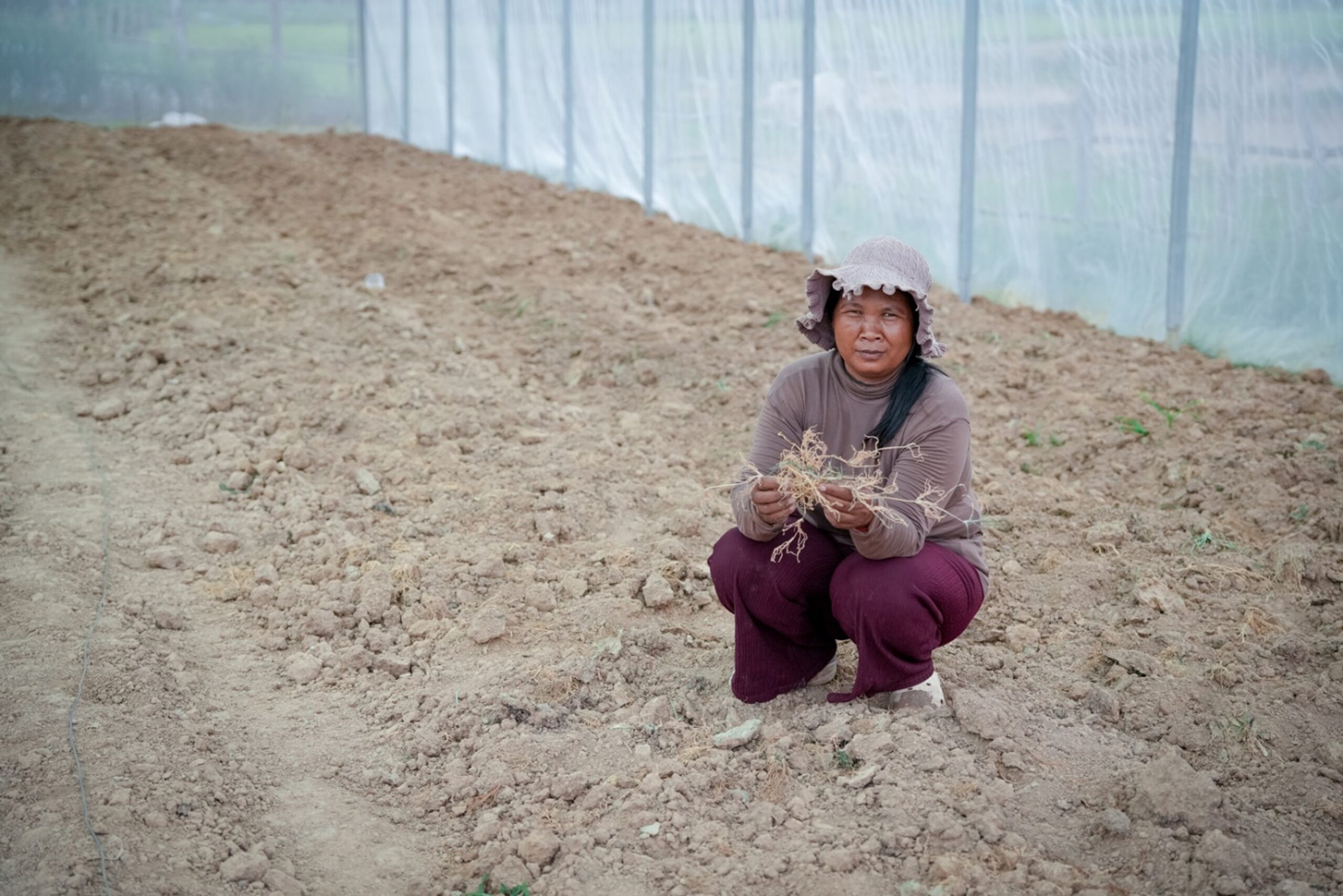
Cambodia should step up its drought preparations as the 2026 El Niño cycle raises the chance of severe dry spells. The UN Food and Agriculture Organization (FAO) says early warning and monitoring tools can give farmers and officials the time they need to protect crops and incomes.
Drawing on 41 years of satellite data gathered through its Agricultural Stress Index System (ASIS), the FAO has classed Cambodia as facing a high risk of severe drought during the current El Niño cycle. The agency estimates that roughly 127,300 hectares of farmland and pasture could be hit.
El Niño is expected to peak in late 2026 and early 2027. Across South and Southeast Asia, this weather pattern can delay monsoon rains and deepen droughts, putting farm output and food security at risk.
The FAO stresses that acting early matters. Drought can wipe out crops and livestock and erode household incomes, and those losses become harder to recover from once they set in.
Jorge Alvar-Beltrán, a natural resources officer at the FAO, said ASIS tracks drought stress across cropland. That gives governments and farmers the window they need to safeguard livelihoods and food supplies and respond before losses become permanent.
Practical support on the ground
In Cambodia, the FAO is working with the government on the PEARL project, which is funded by the Green Climate Fund. The initiative combines climate data and early warnings with hands-on methods that help farmers get ready for dry conditions.
Through Farmer Field Schools and demonstration plots, the project promotes practices such as cover crops that hold soil moisture, field dykes that store water, and adjusted planting calendars that soften the effects of dry weather.
More than 4,000 farmers already receive weather forecasts and farming advice through the project. Bulletins from the Cambodia Agrometeorological Service are shared on social media and through the Chamka mobile app. They tell farmers when to irrigate, when to delay planting or harvesting, and what other steps to take based on rainfall forecasts.
Why early monitoring matters
The FAO notes that advance notice of possible dry spells lets farmers save water and adjust their routines before conditions deteriorate. Satellite monitoring also helps authorities pinpoint the areas and crops most at risk, so support can be directed where it is needed most urgently.
Cambodia has felt the sharp end of earlier El Niño episodes. During the 2015-16 event, unusually hot and dry weather affected around 2.5 million people across 18 provinces, reduced rice production and disrupted fisheries.
The FAO argues that these past episodes show the value of acting before a crisis unfolds, rather than waiting for losses to mount. It also calls for stronger long-term climate resilience, noting that the same drought measures can help farmers cope with increasingly erratic weather linked to climate change.