 Mekong Monitor
Does Thailand Apply Different Standards to Its Smaller Neighbors?
Thailand's approach to neighboring countries raises questions about consistency: does it apply the same diplomatic standards to all neighbors, or does treatment vary based on size and economic importance?
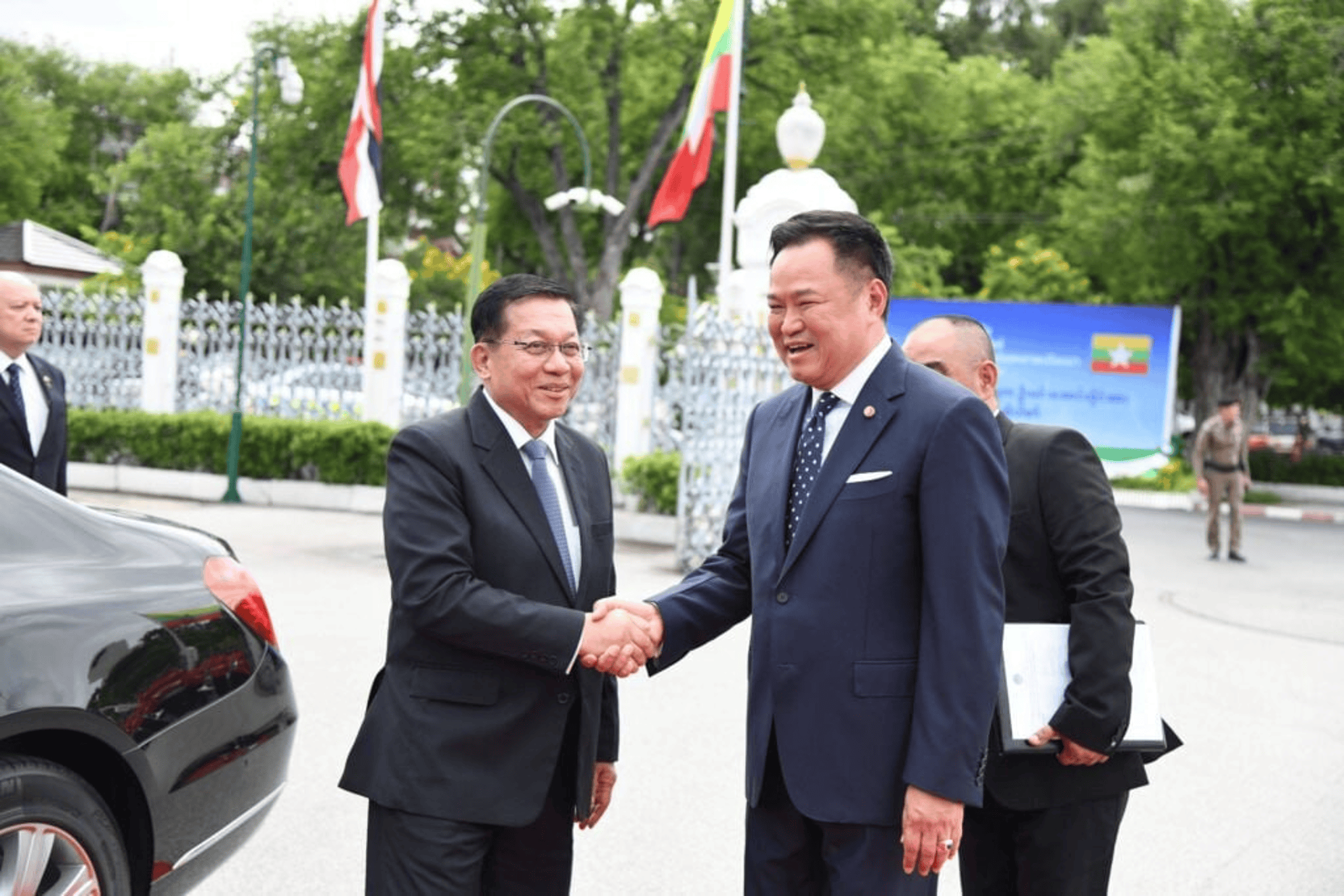
Thailand presents itself as a major regional power within ASEAN, yet its diplomatic approach to neighboring countries appears inconsistent. The question worth examining is whether Thailand extends the same respect for sovereignty and peaceful resolution to all its neighbors, or whether its treatment varies based on a country's size, economic clout, and strategic importance.
Thailand's relationship with Malaysia illustrates this point. The two nations have cultivated strong economic ties, with Malaysia designated as Thailand's top ASEAN trading partner. Their governments recently pledged to increase bilateral trade to $30 billion and framed their border as an economic opportunity rather than a point of tension. This approach emphasizes dialogue, cooperation, and mutual benefit—a model that works precisely because both nations commit to it.
Thailand has also demonstrated restraint with Myanmar. When military operations in Myanmar resulted in incidents affecting Thai territory, such as a bomb landing in Mae Hong Son province in April 2026, the Thai response focused on evacuation and border security rather than military retaliation. This measured approach shows Thailand understands how to de-escalate and prioritize stability.
The pattern becomes apparent when examining Thailand's dealings with Cambodia. Despite shared culture, geography, and deep human connections between the two peoples, disputes between the nations often escalate into confrontational rhetoric and pressure tactics. This selective application of diplomatic standards raises legitimate concerns about whether Thailand reserves its more aggressive posture specifically for smaller neighbors.
A regional power has a particular responsibility to maintain consistent principles. If Malaysia deserves economic partnership and Myanmar warrants restraint and security measures, then the same logic should extend to Cambodia. International relations cannot operate on a hierarchy where treatment depends on a country's economic size or military capacity.
Cambodia has increasingly turned to established international mechanisms to resolve disputes. In September 2026, Cambodia and Thailand initiated a UN-backed compulsory conciliation process regarding their maritime boundary dispute, beginning with talks in Singapore. This represents exactly the kind of approach ASEAN should encourage—one based on evidence, law, and diplomacy rather than power imbalances.
Strength in foreign policy should not mean intimidation of weaker nations. A country's military capacity does not grant it greater sovereignty, nor does economic size determine whose territorial rights matter less. The true measure of responsible regional leadership is whether principles remain consistent regardless of a neighbor's power.
Thailand faces a choice. It cannot simultaneously advocate for regional peace while applying different diplomatic standards to different neighbors. It cannot demand respect for its own sovereignty while pressuring smaller countries when its interests are threatened. It cannot celebrate cooperation with one neighbor while allowing disputes with another to fuel nationalist sentiment.
For ordinary Cambodians and Thais, the issue is straightforward: borders may be negotiated by governments, but peace is built and lived by ordinary people across those borders. Cambodia seeks a relationship founded on equal sovereignty, respect for international law, and mutual dignity. Thailand has the capacity and position to provide exactly that. Real strength lies not in threatening the weaker neighbor, but in having the confidence to treat that neighbor with the same respect accorded to the stronger one.