 Mekong Monitor
Does Social Media Foster Real Cultural Appreciation or Shallow Tourism?
Social media has made culture more visible than ever, but does it encourage genuine understanding or simply photo-driven travel? A look at Cambodia and global examples.
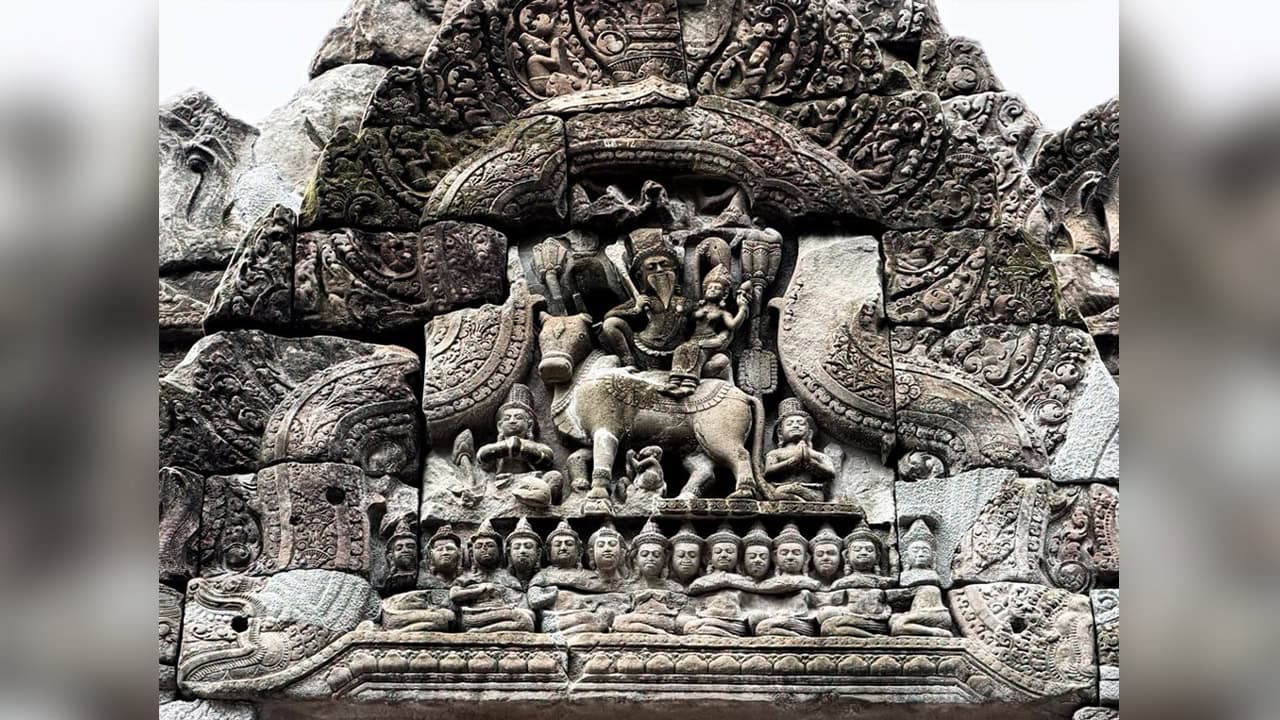
Platforms such as TikTok, Instagram and YouTube have changed how people learn about culture and choose where to travel. Rather than relying only on guidebooks and documentaries, many travellers now pick destinations based on vlogs, short clips and viral photos, and those images shape how they see the places and people they encounter.
In Cambodia, Angkor Wat, Khmer street food and lesser-known destinations have drawn worldwide attention through online content. This visibility can strengthen local economies and encourage appreciation for the culture, but it can also flatten that culture into a visual trend. Social media can raise awareness, yet it can just as easily encourage shallow tourism that values how a place looks online over what it actually means.
How Social Media Promotes Cultural Appreciation
Social media gives communities a way to present their own traditions to international audiences without intermediaries. Cambodian creators, for instance, film Khmer cooking, traditional dance, local markets and daily life, helping viewers see the country beyond old stereotypes.
This reach also brings economic benefits. In tourist hubs like Siem Reap, restaurants, hotels, market sellers and tour companies depend on visitor spending. When people discover these places online, local businesses become more visible and can win new customers.
Exposure to other traditions can also build intercultural understanding. The worldwide success of Korean music, dramas and cuisine has introduced many people to Korean life, and Japanese creators regularly share their customs online. Content like this can motivate viewers to explore other societies more deeply.
Superficial Tourism: When Culture Becomes Content
Even so, social media can foster superficial tourism. Many travellers look for striking backdrops to film, so visual appeal can overshadow cultural meaning. Historic monuments and traditional neighbourhoods risk becoming mere settings for photographs instead of places to learn from.
In Cambodia, some visitors produce travel content in Phnom Penh and Siem Reap without studying Khmer history or hearing from local people. When a destination is marketed mainly through eye-catching images, its historical and cultural importance can easily be lost.
Platforms can also push communities to reshape their traditions around what tourists expect. Performances, clothing and neighbourhoods may be commercialised or staged to look authentic for visitors, and meaningful practices can be simplified into entertainment.
A further concern is the treatment of serious political events as entertainment. During the tensions between Cambodia and Thailand in 2025, some online posts emphasised the most dramatic elements of the conflict to attract views, potentially overlooking the lived experiences of the communities affected.
Counterarguments and International Examples
Defenders of online tourism argue that even shallow exposure has value. A traveller may arrive because of a trend and later develop a genuine interest in the country's culture. Tourism also creates jobs and generates income for local businesses.
Still, greater visibility does not automatically lead to greater understanding or respect. In Bali, Indonesia, temples, beaches and rice terraces have become favourite settings for social media posts. Although tourism supports the island's economy, culturally significant sites can turn into photo spots. Likewise, viral posts about Japanese streets and temples have fuelled complaints about overcrowding and disruption for residents.
South Korea presents a similar case. The popularity of K-pop, dramas and food has sparked strong international interest, yet some fans may encounter Korean culture mainly through commercial entertainment, without grasping its broader traditions and social context.
Taken together, these examples suggest that social media can encourage cultural exchange and economic growth while also promoting superficial tourism.
In Summary
Social media has reshaped the link between tourism and culture. It allows countries such as Cambodia to share their traditions, food and historic sites with the world, opening doors to cultural exchange and business growth. At the same time, it can turn places and communities into material designed to capture online attention.
In the end, real cultural appreciation requires more than striking photographs or viral clips. It depends on education, respect and listening to local voices. Travellers should look past what is visually appealing and try to understand the histories and people behind their experiences. Culture is not just something to film and share; it is something to understand, respect and help preserve.