 Mekong Monitor
Delhi Unveils Winter Pollution Action Plan with Parking Hikes, Remote Work, and Construction Ban
Delhi introduces doubled parking fees, 50% remote work mandates, and construction bans from November to tackle severe winter air pollution.
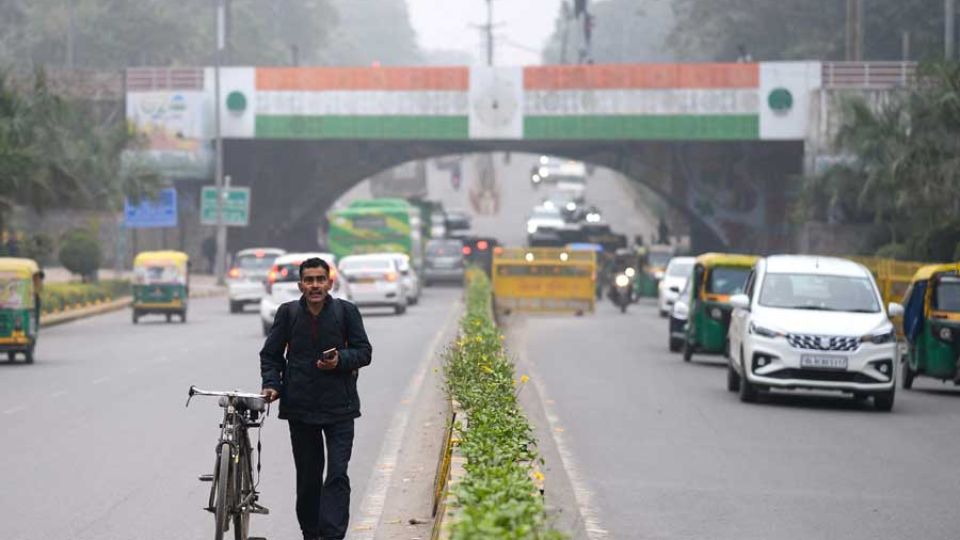
Delhi’s administration has rolled out a multi-pronged strategy to tackle worsening air quality during the winter months, with measures set to begin in early November. The plan targets key pollution sources — vehicles, construction dust, and industrial emissions — through a combination of financial incentives and regulatory controls.
Parking fees at government-authorised lots will rise by 100% from November 1, 2026, through February 28, 2027, aiming to steer commuters away from private vehicles. Spaces operated by the Delhi Metro Rail Corporation will not be affected by this increase.
To reduce traffic density, offices in the National Capital Territory will adopt flexible working hours. Municipal Corporation of Delhi departments will run from 8:30 a.m. to 5 p.m., while GNCTD offices will shift to a 10 a.m. to 6:30 p.m. schedule. Employers, both public and private, will be encouraged to deploy half their staff remotely, with only the remaining half reporting in person during the peak-pollution window.
Dust-intensive construction and demolition work will be halted starting November 1, with a stricter full ban taking effect from December 10 through January 20, 2027. The phased approach gives contractors time to adjust while still meeting environmental goals ahead of the most vulnerable period.
Separately, an enforcement campaign targeting vehicles lacking valid Pollution Under Control (PUC) certificates launches October 1. Drivers caught without certification could face penalties of up to ₹10,000. Chief Minister Rekha Gupta said the initiative will help verify certificate validity and strengthen the overall reliability of PUC centres.
The urgency behind the measures is backed by recent data: Delhi recorded the highest annual PM2.5 average among all Indian states and territories—101 micrograms per cubic metre—over the 2024–25 period, more than double the national limit and twenty times the WHO recommendation. Across the country, 60% of the 749 districts assessed exceeded the annual PM2.5 standard of 40 micrograms per cubic metre.