 Mekong Monitor
Cambodia's UN Envoy Thanks Rapporteur, Rejects Thai Accusations of Illegal Settlement
Cambodia's UN ambassador praised a special rapporteur for spotlighting the humanitarian consequences of the Cambodia-Thailand border conflict and firmly denied Thai claims that Cambodians had illegally settled on Thai territory.
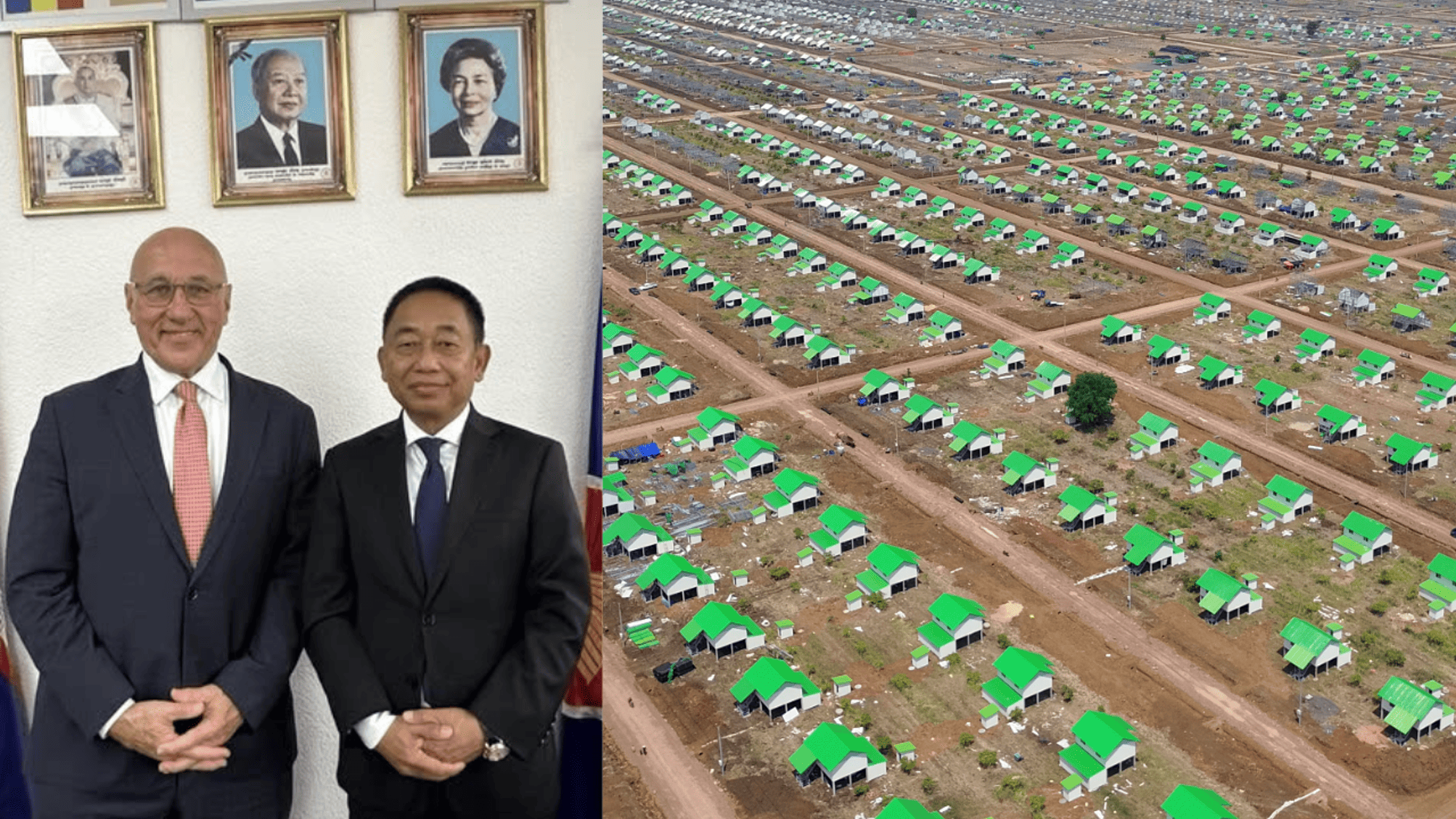
Cambodia's representative to the United Nations in New York has expressed gratitude to a UN special rapporteur for drawing attention to the human-rights fallout from the ongoing Cambodia-Thailand border dispute.
Ambassador Ke Sovann, Cambodia's permanent representative, spoke during the 63rd UN Human Rights Session on October 2, using the platform to push back against Thai assertions that Cambodian nationals had unlawfully occupied Thai land for decades.
Rapporteur highlights plight of displaced civilians
Sovann commended remarks delivered earlier that day by Thomas H. Andrews, the UN special rapporteur on human rights in Cambodia. Andrews had noted that approximately 20,000 Cambodian civilians remain unable to go home despite a ceasefire that took effect on December 27 of last year.
The ambassador outlined how Andrews identified concrete barriers preventing the civilians' return and documented the toll on their livelihoods, schooling, healthcare, and community ties. Sovann reaffirmed Cambodia's backing for the rapporteur's appeal to both governments to enable the safe return of displaced people, emphasizing their right to go home under international law.
"Cambodia calls for sustained commitment to the full and good-faith implementation of the December 27, 2025 Joint Statement — especially the safe, dignified return of affected civilians and the resumption of their normal lives," Sovann said.
Ambassador dismisses Thai territorial claims
Sovann also responded to statements made earlier in the week by Thai diplomats, who argued that many Cambodians had been living on Thai soil since the 1970s. He called the assertions false and misleading.
"The displaced Cambodians were driven from their homes on Cambodian territory by Thai attacks in 2025. UN records confirm that Cambodian refugees from the 1970s civil war had all departed Thailand by 1999," he said.
He stressed that the two countries share a recognized international boundary established by the 1904 Convention and the 1907 Treaty, and accused Thai armed forces of violating the UN Charter, international law, and bilateral accords through their presence in what he described as illegally occupied Cambodian territory.
"We categorically reject any misuse of online scams as a pretext for encroaching on another state's territory," Sovann added.
Broader human-rights concerns
In addition to the displacement issue, Andrews raised concerns about what he characterized as restrictions on freedoms inside Cambodia and problems linked to the online scam industry.
Sovann thanked the rapporteur for what he termed constructive engagement and urged balanced assessments. He said Cambodia acknowledges the rapporteur's report and values the dialogue that took place during Andrews' first official visit to the country.
"We reaffirm our commitment to open dialogue and continued cooperation with the mandate," the ambassador stated, adding that Cambodia favors an approach centered on constructive engagement, technical assistance, and capacity-building.
He pledged that Cambodia would continue to work with the rapporteur in good faith to strengthen human-rights protections and address the urgent needs of border-conflict-affected communities in line with international law.