 Mekong Monitor
Cambodia Rolls Out High-Tech Surveillance to Protect Mekong Dolphins
Cambodia is installing automated cameras and an advanced monitoring system to better protect Mekong dolphins from illegal fishing. The system is expected to be fully running by the end of the year.
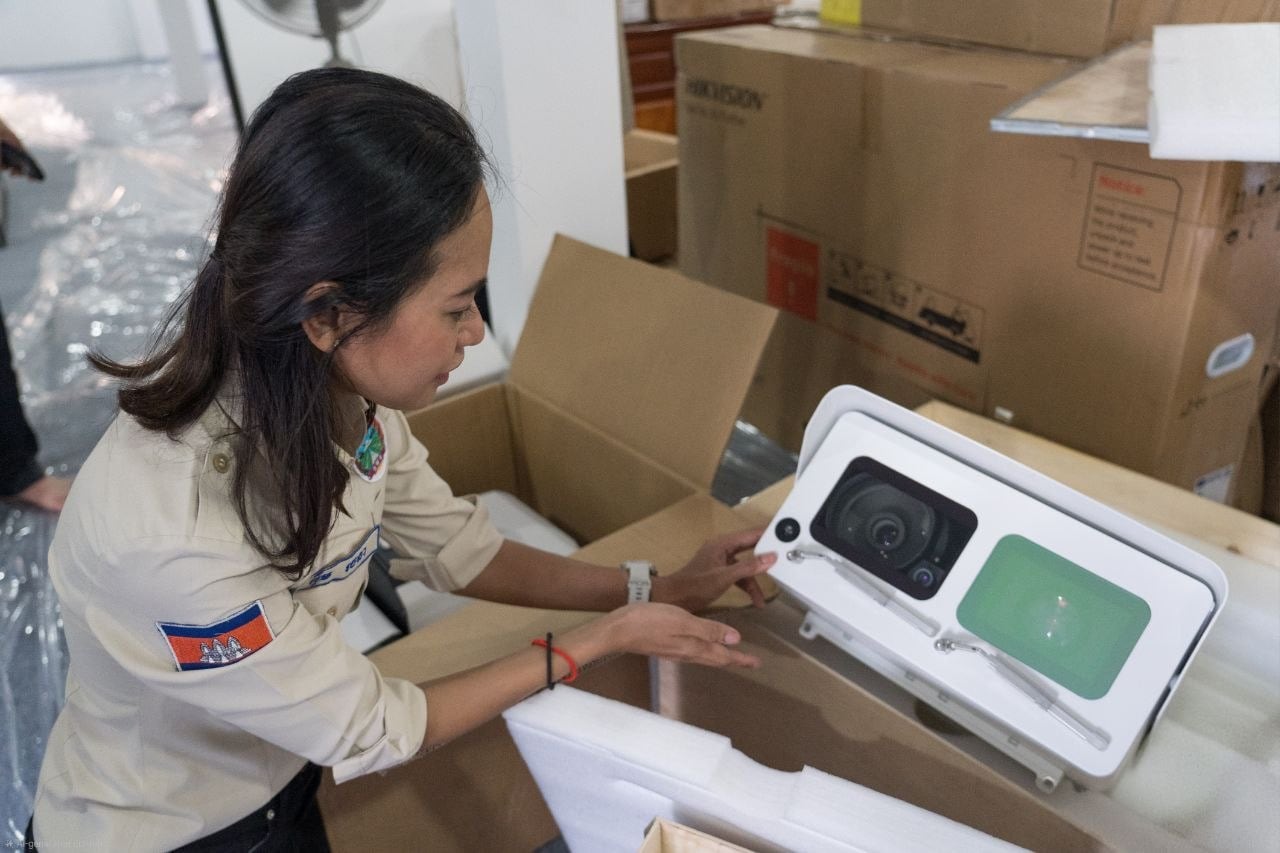
Cambodia is preparing to install automated cameras and an advanced monitoring system at its Mekong Dolphin Monitoring, Surveillance and Conservation Centre. The aim is to better shield the endangered freshwater mammals from illegal fishing.
The system is due to be fully operational by the end of the year. In a November 5 statement, the Ministry of Agriculture, Forestry and Fisheries said the cameras will send their images and data to the centre. Officials will be able to spot high-risk areas, plan patrols more effectively and respond faster to illegal fishing, all while getting more out of their existing resources.
The project is backed by WWF and the Lancang-Mekong Cooperation Special Fund. It is part of a wider push to modernise fisheries conservation, strengthen law enforcement and secure the long-term future of one of the country's most valuable natural assets.
Im Rachna, the ministry's undersecretary of state for fisheries conservation, led a delegation of officials, Kratie Fisheries Administration cantonment staff and partner organisations on a tour of the facility at the Anlung Kampi Dolphin Conservation Guard Station in Kratie province. They also inspected the new equipment.
Rachna stressed the need to bolster monitoring and surveillance, particularly through camera technology and a video storage system capable of recording dolphins. Officials will also examine whether solar power could help lower electricity costs.
Other priorities include:
- Closer collaboration with international experts and partner groups
- Adjustments to the organisational structure
- A clearer division of responsibilities based on expertise
- Additional training, better working conditions and improved staff welfare
Together, these measures are meant to strengthen the capacity of conservation teams and keep dolphin management, protection and conservation effective over the long run.
Rachna credited Cambodia's progress in managing and conserving its dolphin population to the commitment of all stakeholders, and said the Kingdom takes pride in these achievements.
She pointed to a significant rise in the number of cases where illegal fishing was halted and banned fishing gear was confiscated, which she said shows clear progress in conservation and law enforcement in the targeted areas.
She also praised river guards for their dedication to protecting the Mekong dolphins. She commended fisheries conservation specialists and WWF Cambodia for their active role in patrols, in preventing illegal activity and in safeguarding aquatic resources.
Six Mekong dolphin births have been recorded so far this year. The kingdom's population is believed to be close to 120.