 Mekong Monitor
Cambodia Plans 120-km Power Line to Carry Solar Energy Into National Grid
Cambodia plans a 120-km, 230-kilovolt power line to connect a large solar complex in Pursat to the national grid. The $183 million project, funded by the Asian Development Bank, also aims to improve grid stability and support jobs and industry.
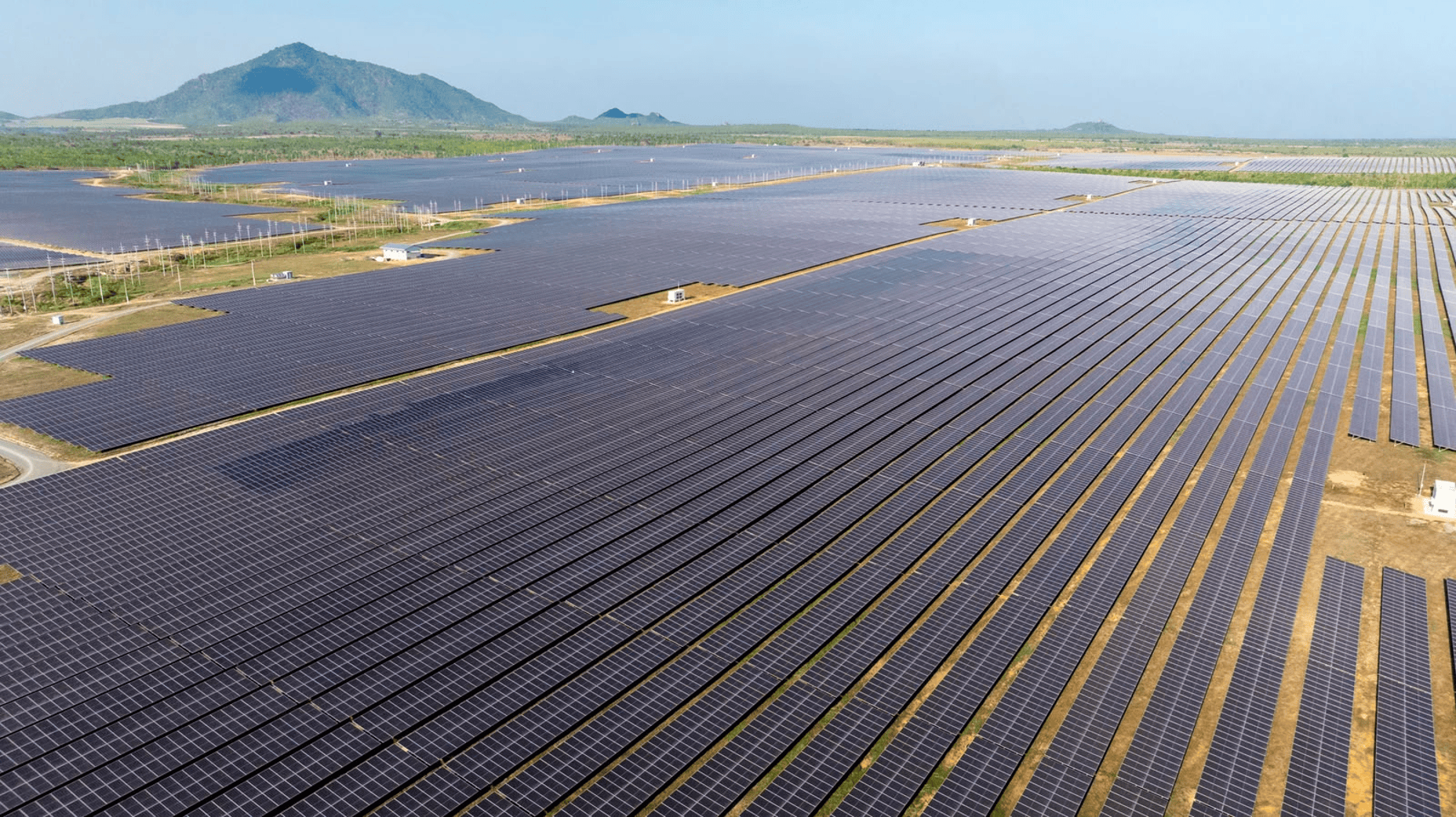
Cambodia has unveiled plans for a 120-kilometre, 230-kilovolt transmission line that will carry clean solar power to Kandal, Kampong Chhnang and Pursat provinces. The project, led by state utility Electricité du Cambodge (EDC), includes building two new substations and upgrading two existing ones to reinforce the national electricity grid.
Minister of Mines and Energy Keo Rottanak announced the project on November 18. It will be financed by a $183 million loan from the Asian Development Bank (ADB).
The main goal is to connect solar electricity generated in Krakor district, Pursat province, to the national grid so it can be distributed across the country. Solar developments with a combined capacity of more than 1,100 megawatts are already under construction in Krakor, which the minister described as one of the biggest green energy projects in the ASEAN region.
The initiative is expected to help Cambodia reach its goal of producing at least 70 per cent of its electricity from clean sources by 2030. At present, roughly 63 per cent of the country's power comes from clean sources, including hydropower, solar and biomass.
A second objective is to make the national grid more stable. Rottanak said ongoing grid development would help cut power outages in economic zones, industrial estates, farming areas and residential neighbourhoods. A more reliable network, he added, would improve people's livelihoods and encourage both domestic and foreign investors as electricity demand rises.
The third objective is to boost economic growth and generate jobs. Rottanak pointed to Kampong Tralach district in Kampong Chhnang province, where more than 50,000 people already work in factories. Expanding the power supply there, he said, could let businesses grow enough to raise that workforce to over 100,000 in the near future.
Creating jobs in local communities is also part of the government's effort to give young people work closer to home and reduce migration for employment to distant areas.
The minister said the electricity fed into the grid would benefit not only the three directly connected provinces but also tourism, agriculture and industry in other provinces linked to the wider network.
He thanked local authorities and residents for their support in getting the project underway, and asked them to keep working together until construction is finished so that local communities and the national economy can benefit.