 Mekong Monitor
Cambodia launches project to cut plastic waste as pollution costs reach $2.5m annually
Cambodia has launched a new circular-economy project targeting plastic waste from food and beverage businesses, after the government estimated annual economic losses from plastic pollution at $2.5 million.
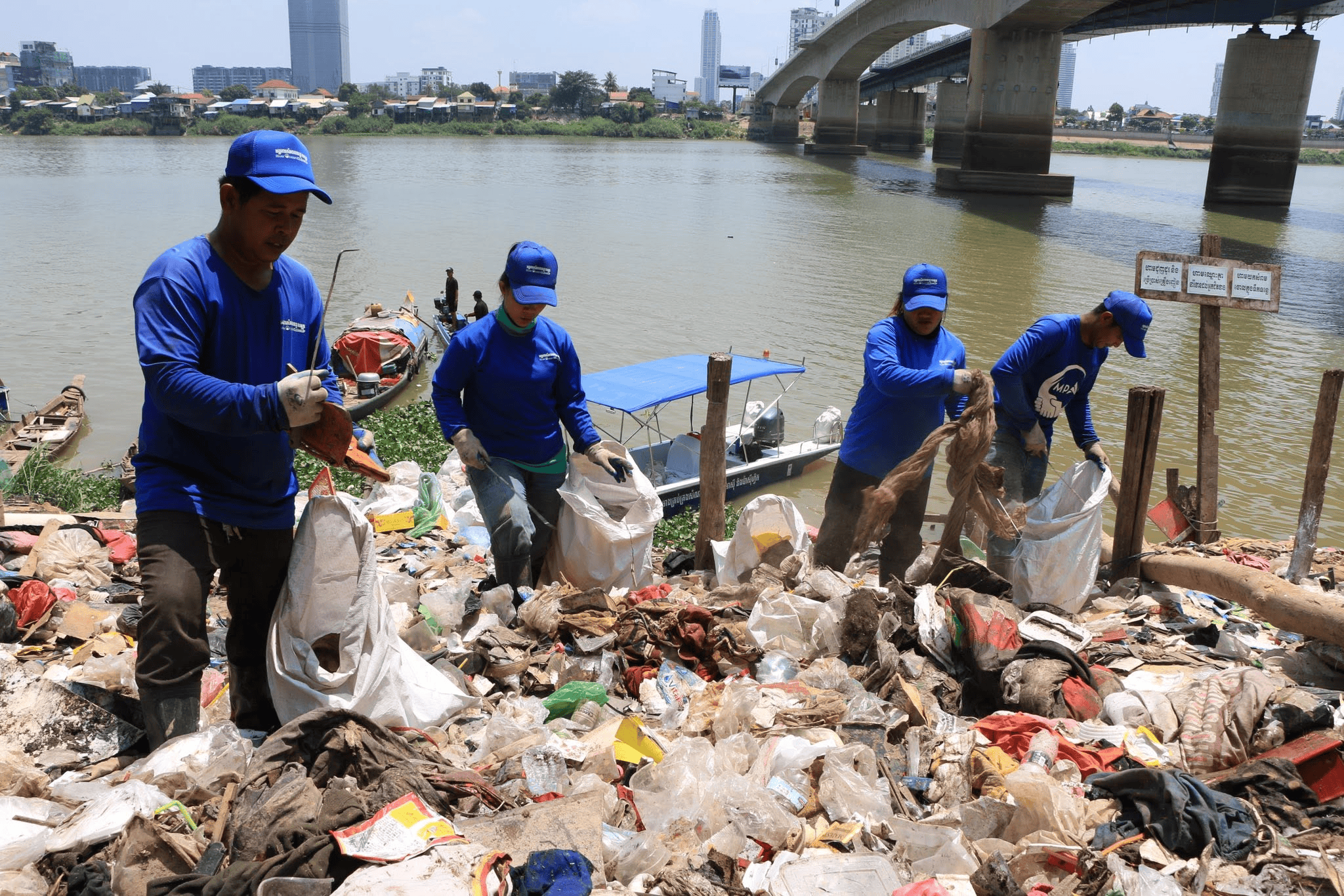
Plastic pollution is costing Cambodia about $2.5 million a year in economic losses, according to the Ministry of Environment.
The ministry released the estimate as it launched a new effort on September 25 to encourage circular-economy solutions in the food and beverage sector, a major source of disposable waste.
Project details
Called Plastic Reboot Cambodia, the initiative is supported by the Global Environment Facility and will be carried out in partnership with the UN Development Programme and UN Environment Programme. It will operate in Phnom Penh, Siem Reap and Preah Sihanouk provinces.
Growing waste pressures
The ministry said solid waste generated each year in Phnom Penh has grown by almost 275 per cent since 2007, rising from more than 340,000 tonnes to nearly 1.3 million tonnes by 2022. Plastic accounts for roughly one-fifth of the total.
Research has found that single-use items from food and beverage outlets, including bags, cups, containers and bottles, make up a significant share of waste reaching disposal sites. The ministry warned that about 90 per cent of this material eventually leaks into Cambodia’s waterways, rivers and coastal areas.
Officials said the problem harms ecosystems and landscapes while also causing an estimated $2.5 million in annual economic losses tied to marine pollution. They added that discarded plastic can block drainage systems, increasing flood risks in cities and urban centres such as Phnom Penh, Siem Reap and Preah Sihanouk, and posing serious public health threats.
Expected results
The project aims to reduce plastic waste from the food and beverage sector by more than 19,000 tonnes by 2028 and cut greenhouse gas emissions by about 74,000 tonnes.
The ministry said more than 520,000 people are expected to benefit directly, with particular attention to women and waste pickers in the three target provinces.
Policy response
Speaking at the launch, ministry Secretary of State Chuop Paris said the initiative would help strengthen policy, attract financial resources, involve the private sector and encourage behaviour changes that reduce reliance on single-use plastics.
He described the project as a targeted step aligned with Cambodia’s Environmental Circular Strategy and the country’s broader national strategy and action plan for the circular economy.
Paris urged government agencies, businesses, development partners and civil society groups to work together to cut disposable plastic use, promote reuse and improve waste management.