 Mekong Monitor
Cambodia Launches Major Initiative to Combat $2.5 Million Annual Plastic Waste Crisis
Cambodia is launching a major initiative to tackle plastic pollution that costs the nation millions annually, targeting waste reduction and behavioral change across the food and beverage sector.
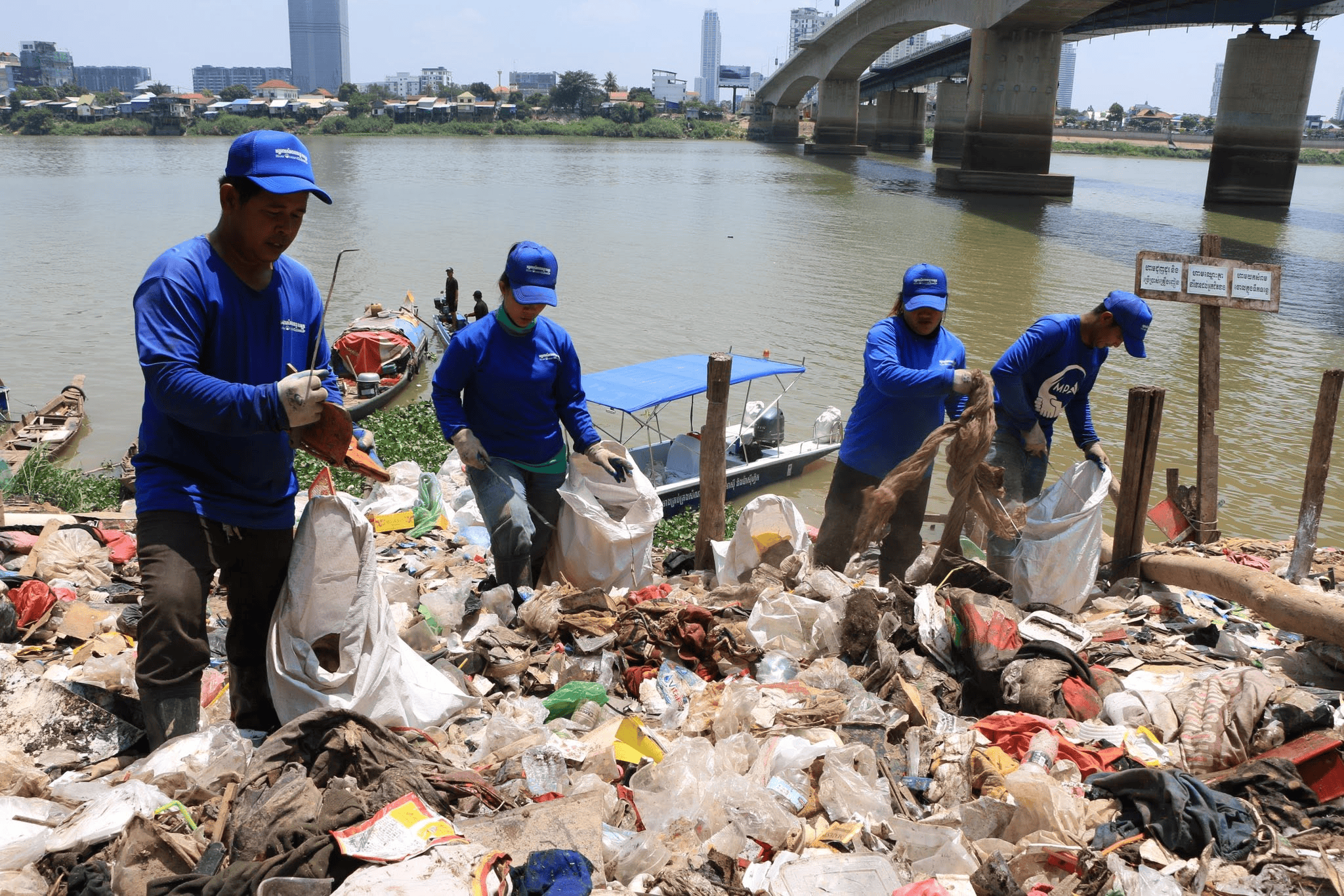
Cambodia's Ministry of Environment has unveiled a sweeping effort to address the nation's escalating plastic pollution problem, which drains an estimated $2.5 million from the economy each year. The newly launched "Plastic Reboot Cambodia" project represents a coordinated response involving the Global Environment Facility, the UN Development Programme, and the UN Environment Programme, with operations spanning Phnom Penh, Siem Reap, and Preah Sihanouk province.
The scale of the challenge has grown dramatically over the past decade and a half. Solid waste production in Phnom Penh alone has surged nearly threefold, jumping from roughly 340,000 tonnes in 2007 to nearly 1.3 million tonnes by 2022, with plastic comprising about one-fifth of all waste. The food and beverage sector stands as a primary culprit, generating mountains of single-use items like bags, cups, containers, and bottles. Alarmingly, roughly nine in ten of these plastic items eventually find their way into Cambodia's waterways, rivers, and coastal zones.
Beyond environmental damage, plastic pollution exerts tangible pressure on Cambodia's infrastructure and public welfare. Accumulated debris clogs drainage networks, heightening flood risks in urban centers including the capital and major provincial cities. The health implications for communities add another layer of concern, as contaminated water systems and ecosystem degradation create cascading consequences.
The initiative aims to deliver measurable results by 2028, targeting the elimination of more than 19,000 tonnes of plastic waste from food and beverage operations while reducing associated greenhouse gas emissions by approximately 74,000 tonnes. The project is projected to directly support over 520,000 individuals, with particular emphasis on women and waste workers.
During the project's unveiling, Ministry Secretary of State Chuop Paris stressed the multi-faceted nature of the solution. Success will hinge on reinforced regulatory frameworks, increased funding mobilization, expanded private-sector engagement, and shifts in consumer behavior away from disposable packaging. He urged alignment across government agencies, businesses, international partners, and civil society organizations to drive meaningful change in plastic consumption patterns and waste management practices.