 Mekong Monitor
Cambodia Dismisses Thai Claims of a “One-Sided” Francophonie Summit
Cambodia has rejected Thai claims that it used the Francophonie Summit in Phnom Penh to present a one-sided view of the border dispute, and says all delegations were treated equally at the ministerial conference. It urged the resumption of border demarcation and stressed the humanitarian toll of the conflict.
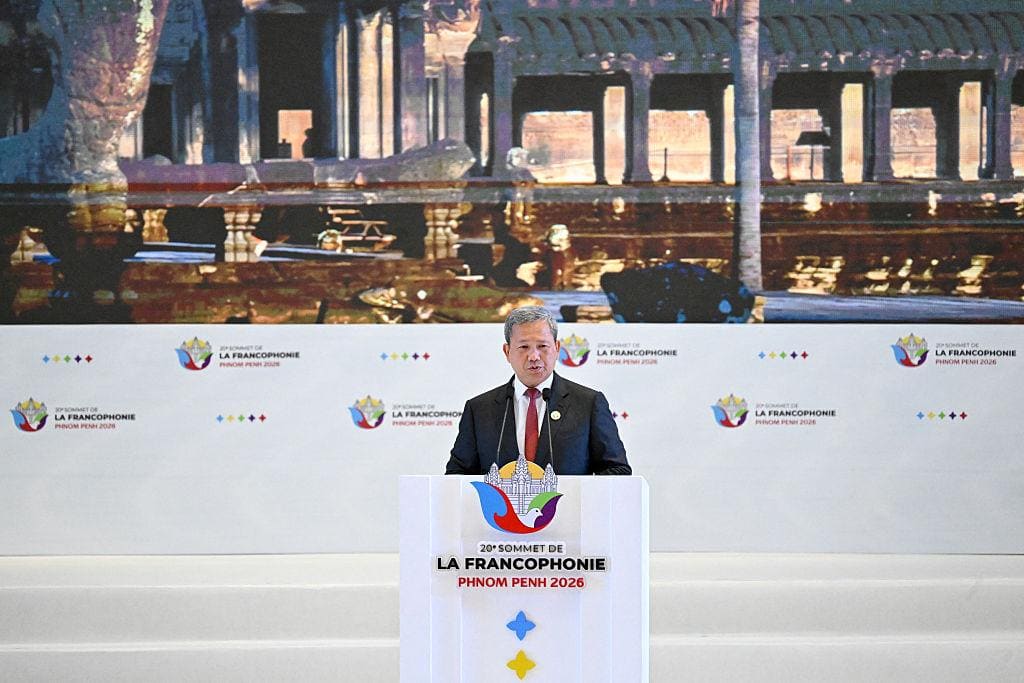
Cambodia has rejected Thai accusations that it used the 20th Francophonie Summit in Phnom Penh to push a one-sided version of the ongoing border dispute.
In a statement issued on November 17, the Ministry of Foreign Affairs and International Cooperation also rejected claims that Cambodia deliberately kept Thailand from speaking at the 48th Francophonie Ministerial Conference. According to the ministry, every delegation was treated the same way.
The ministry said Cambodia had not used international forums to attack Thailand or to promote its own version of the border situation. Instead, it said, Cambodia raised the dispute to highlight conditions on the ground and their humanitarian impact, while calling for dialogue, de-escalation and a peaceful settlement. It argued that these goals fit the principles of the International Organisation of La Francophonie (OIF) and the summit's theme, “Reinvesting in Peace for Shared Prosperity and Lasting Stability.”
As the host and president of the summit, Cambodia said it had carried out its duties impartially, transparently and in line with the organisation's rules and procedures. The ministry added that Cambodia, as a full OIF member, has every right to raise concerns about issues that affect its sovereignty, territorial integrity and the welfare of its people.
“Such engagement should not be misconstrued as an attempt to undermine bilateral relations or ongoing efforts to resolve differences peacefully,” the ministry said.
Humanitarian and security concerns
The ministry pointed to the lasting humanitarian and security effects of the conflict. These include armed clashes between the two countries, damage to Cambodian cultural heritage, and the continued presence of Thai forces in areas Cambodia regards as part of its sovereign territory, even after the ceasefire of December 27, 2025. It also noted that around 20,000 Cambodian citizens remain displaced and cannot return to their homes or livelihoods.
“These serious humanitarian and security concerns cannot be dismissed as unfounded allegations,” the ministry said.
Cambodia maintains that the unresolved situation should be handled through established diplomatic and bilateral channels, not through unilateral moves. Responding to Thailand's remarks about the historical background of Cambodian communities living along the border, the ministry said that competing territorial claims must be settled through existing bilateral mechanisms and in line with international law.
Cambodia has again called on the Joint Boundary Commission (JBC) to resume its work without further delay, so it can examine conditions on the ground and move forward with border demarcation under existing agreements. The ministry also reaffirmed Cambodia's commitment to the confidence-building measures discussed in October 2026 and to the understandings reached by the two prime ministers in Cebu in May. It stressed the need to fully implement the joint statement from the special meeting of the General Border Committee (GBC) on December 27, 2025, which set out the framework for the ceasefire.
According to the ministry, rebuilding trust will require concrete action, respect for agreed commitments, and conditions that allow displaced civilians to return home safely and with dignity.
Speaking time at the ministerial conference
The ministry also rejected Thai claims that its delegation was denied the chance to speak at the 48th Francophonie Ministerial Conference. It explained that the meeting was running more than two hours behind schedule. The presidency, working with the OIF Secretariat, therefore gave priority to observers represented at ministerial level. Other delegations were invited to submit written statements for the official record.
“This arrangement applied equally to all concerned delegations and was in no way directed specifically at Thailand,” the ministry said.
Prime Minister Hun Manet's remarks
The clarification followed a series of diplomatic exchanges over Cambodia's decision to raise the border situation at the summit. On November 15, Prime Minister Hun Manet called for joint border surveys and demarcation to resume. He also highlighted the continued displacement of Cambodian civilians and urged both sides to respect existing agreements in pursuit of a peaceful settlement.
The border issue also came up in summit discussions. Francophonie leaders voiced concern about prolonged tensions along the Cambodia-Thailand border and stressed the importance of international law, existing agreements and diplomatic efforts to resolve differences peacefully.
The ministry concluded that Cambodia remains committed to settling its disputes with Thailand through dialogue and diplomacy, in line with international law, the UN Charter and the ASEAN Charter. It said Cambodia is ready to work constructively with Thailand through established bilateral mechanisms to rebuild trust, uphold sovereignty and territorial integrity, and secure lasting peace and stability along their shared border. Good neighbourly relations, the ministry said, must rest on mutual respect, faithful implementation of agreed commitments, and the protection of people on both sides of the border.