 Mekong Monitor
Cambodia and UNDP Team Up to Overhaul E-Waste Handling and Lower Emissions
Cambodia and the UNDP have launched a five-year, $4 million project to strengthen e-waste management and promote a circular economy, aiming to cut emissions and protect over 200,000 people from hazardous materials.
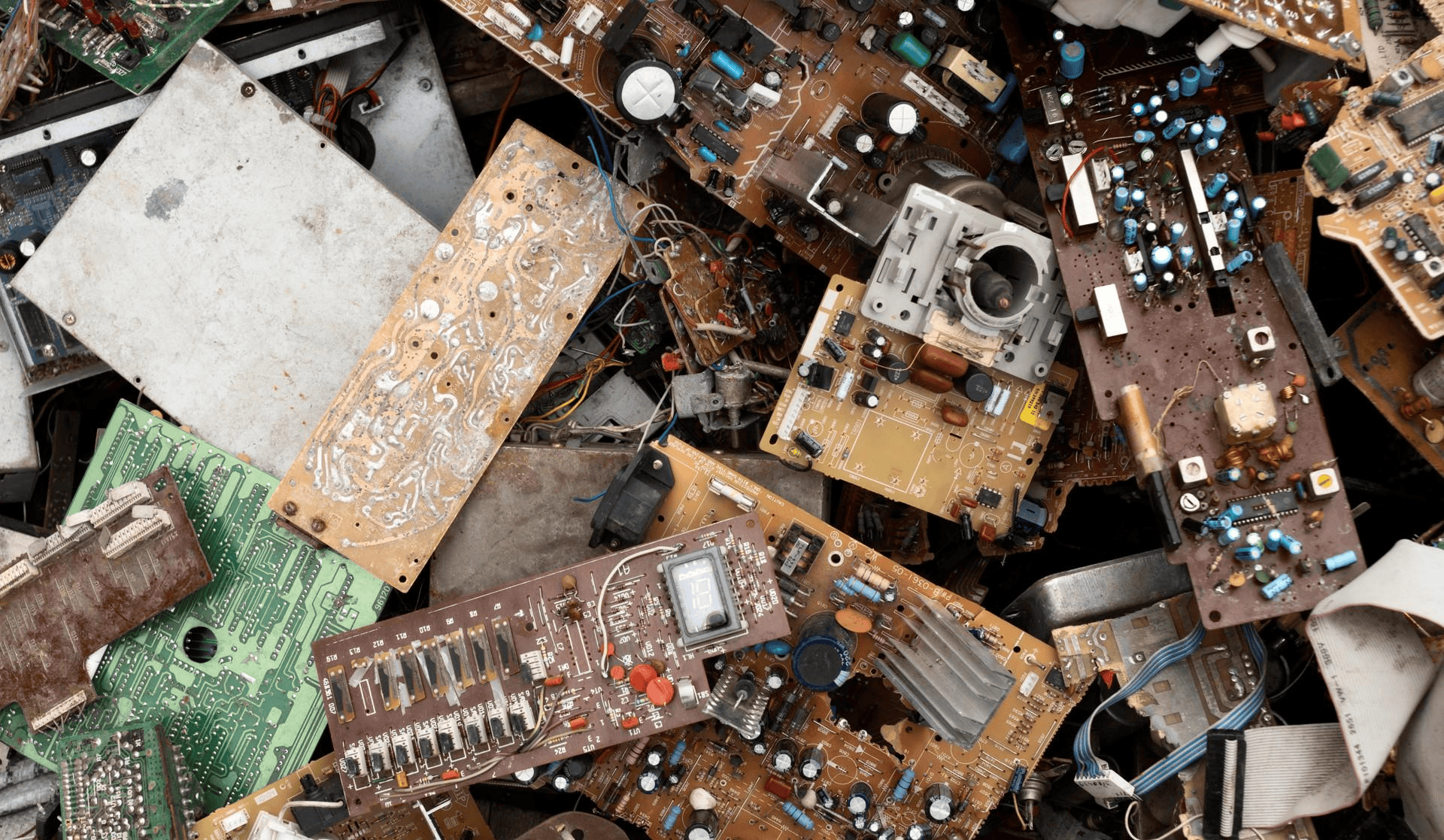
The United Nations Development Programme (UNDP) has partnered with Cambodia's Ministry of Environment to roll out a new initiative aimed at improving how electronic waste is managed and advancing the circular economy nationwide. The effort is underpinned by a $4 million grant from the Global Environment Facility (GEF).
Scheduled to run for five years, from 2026 through 2031, the project falls under the Global Electronics Management (GEM) programme, an international undertaking designed to curb pollution and boost resource efficiency throughout the electronics supply chain.
According to the UNDP, the programme in Cambodia should directly improve the lives of more than 200,000 people by creating safer workplaces and cutting their exposure to dangerous waste materials.
Funding and Environmental Goals
Beyond the initial grant, the initiative draws on roughly $26 million in additional financing from Cambodia's government and private-sector partners. Its projected outcomes include cutting greenhouse gas emissions by over 27,000 tonnes, safely handling and disposing of hazardous materials like persistent organic pollutants and mercury, and keeping more than 20,000 tonnes of toxic substances out of the environment.
Cambodia is one of three nations where the UNDP is spearheading the GEM programme, joining Vietnam and Colombia.
A Rapidly Growing Challenge
Enrico Gaveglia, the UNDP's resident representative in Cambodia, highlighted how quickly and dramatically the use of electronic devices in the country has expanded. He noted that Cambodia had an estimated 24 million electronic devices in operation in 2024, underscoring the urgent need to build and upgrade systems for handling this equipment once it is no longer usable.
"We need to strengthen capacity and safeguards to prevent communities and workers from being exposed to hazardous practices and toxic substances. This initiative supports the transition towards safer and more practical systems that protect public health and strengthen the foundations for a more sustainable and resilient economy," he said.
Xiaofang Zhou, who leads cooling systems, circular economy and pollution prevention work at the UNDP, explained that electronic waste holds both valuable and hazardous materials, which makes recovering and reusing those materials a complicated task. She pointed out that many products were never designed to have their materials recovered, leaving them hard to take apart and sort.
"The challenge is to recover these materials for reuse without creating risks to the environment and human health," she said, adding that stronger collection, dismantling and treatment systems are essential to reclaim materials safely and efficiently rather than wasting them or handling them in unsafe conditions.
Moving Toward a Circular Economy
Chuop Paris, secretary of state at the Ministry of Environment, said the ministry is dedicated to moving away from a linear "take-make-dispose" approach and toward a circular economy that treats resources as valuable, minimises waste, and safeguards both people's welfare and environmental quality.
He explained that through instruments such as the Environmental Code and Natural Resources framework and the Environmental Circular Strategy 2023-2028 — particularly its "clean" pillar — the ministry continues to reinforce policies, regulations and legal tools, encourage greater accountability among producers and importers, foster innovation in recycling and resource recovery, and boost public awareness through campaigns and community events.
Claude Gascon, GEF's acting CEO and chairperson, said the GEM programme is helping countries confront one of the world's fastest-expanding pollution sources.
"As the use of electronics continues to grow, its environmental impacts will become increasingly difficult to manage without effective systems," he said. He added that tackling e-waste also calls for shifts in how markets function, along with clearer policies and standards to encourage safer, more sustainable practices. "This initiative is an important step towards building that foundation in Cambodia," he said.