 Mekong Monitor
Beijing's Riverfront Light Festival Provides a Model for Cambodia's Night Tourism
Beijing's Liangma River light festival demonstrates how public art, light installations, and cultural performances can create vibrant night tourism, offering valuable insights for Cambodia's development.
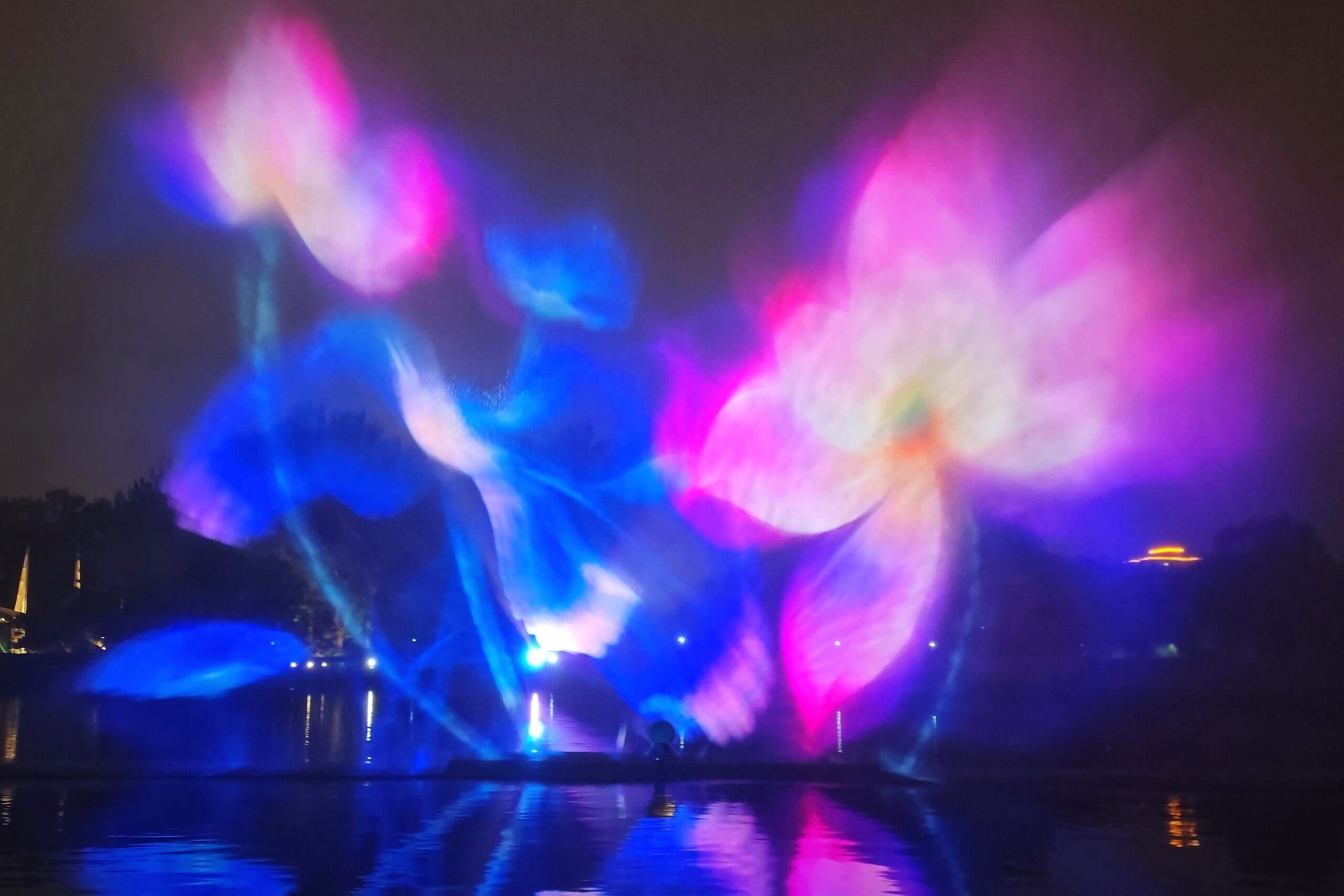
The transformation of Beijing's Liangma River into a vibrant, open-air venue of light, music, and international performances is being highlighted as a potential blueprint for Cambodia to expand its night-time tourism offerings.
During a visit on September 24, journalists from ASEAN countries attended the launch ceremony for the 2026 Beijing Chaoyang International Light Consumption Season. Their experience included a nighttime boat trip past a series of performances and interactive light installations along the river.
The initiative demonstrates how public art can be integrated with tourism, dining, shopping, and cultural activities to draw visitors after dark, bringing performances out of traditional theatres and into the community.
This model holds particular relevance for Cambodia, especially for the riverside areas of Phnom Penh and for Siem Reap. The article suggests that cultural performances, local food, public spaces, and illuminated landmarks could be linked through organized night-tourism routes.
Cambodia has already begun experimenting with after-dark cultural events at the Angkor Archaeological Park through its annual Thanks Angkor Festival and "Memory Night" programme. In 2022, the programme featured traditional Khmer performances like Lakhon Khol and Kun Lbokator behind Angkor Wat to mark the 30th anniversary of its UNESCO World Heritage listing. The 2023 edition attracted nearly 80,000 visitors with performances including Lakhon Yike and Lkhon Sbek Thom.
Richard Lewis, chairman of the Asian Arts Fund Scotland, praised the Liangma River as an ideal setting for bringing art into everyday urban life. He stated, "The riverbank serves as our stage and the city forms our backdrop. Free from barriers, art is no longer confined to theatres and galleries." He added that art now merges with the daily lives of residents along the river and city streets.
Lewis noted that the Edinburgh Festival and the Liangma River International Arts Festival have jointly established a cultural exchange program called "Dialogue Between Two Cities." He hopes this leads to regular cooperation, including artist exchanges and shared works.
The approach mirrors the Edinburgh Festivals' success, which attracts over 4.5 million attendees annually by using streets, historic buildings, and temporary venues. Beijing's festival applies a similar concept along the Liangma River, integrating installations into commercial districts and public spaces.
During the boat tour, ASEAN journalists viewed a variety of attractions, including a light-and-shadow show at the Shell Theatre, a water-piano installation, traditional Chinese music performances, and a floating "Rubik's Cube" stage. The festival features 46 light installations created with international and academic partners.
Organisers have developed four themed routes combining light displays with art, music, food, and heritage. More than 20 cultural activities are planned across Chaoyang's commercial districts for the festival period, from September 11 to October 11.
The programme aims to establish Chaoyang as a globally recognised urban destination for light-and-shadow arts, where visitors can watch performances, engage in cultural activities, and support local businesses.
For Cambodia, the Beijing experience suggests night tourism need not rely solely on bars and commercial entertainment. Traditional music, dance, handicrafts, local cuisine, illuminated heritage sites, and river-based performances can be combined into a richer cultural experience.
The article suggests Phnom Penh could explore such activities along its riverfront, while Siem Reap could better connect its Angkor night performances with the Siem Reap River, local markets, and traditional arts.
Cambodia has taken a recent step in this direction with weekly pop-up cultural performances launched in Siem Reap on September 18, featuring Kun Lbokator at the Terrace of the Elephants and Lkhon Sbek Thom along the Siem Reap River.