 Mekong Monitor
Bangladeshi Recruits Lured to Russia Die on Ukraine Front
At least 30 Bangladeshi men were tricked into going to Russia with promises of jobs, then sent to fight in Ukraine after three weeks of training. Around 20 are believed dead, and two suspected traffickers have been arrested.
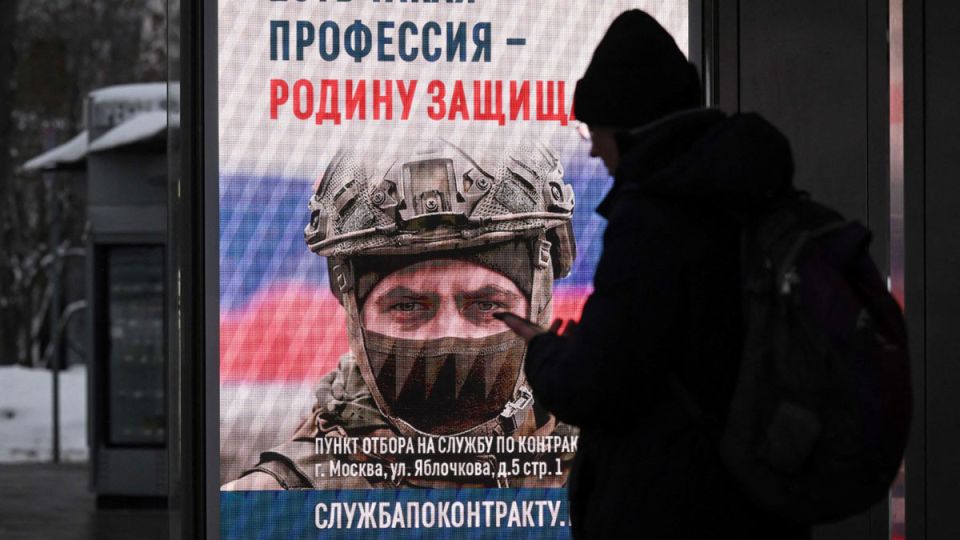
At least 30 Bangladeshi men were lured to Russia with promises of well-paid work, then forced into the Russian military and sent to the front lines in Ukraine after just 21 days of training. Around 20 of them are believed to have been killed, according to Bangladesh's Special Response Battalion (SRB), the elite police unit formerly known as RAB.
Arrests and the recruitment network
Speaking at a press conference at the SRB media centre in Dhaka's Karwan Bazar, SRB-10 Commander Additional DIG Md Asaduzzaman said two people had been arrested. One is the alleged mastermind of the trafficking ring, Mizanur Rahman. The other is Abu Taher Lentu.
The SRB said the syndicate advertised construction jobs in Russia and then handed the recruits over to the Russian army. A Russian man and a Kyrgyz woman were also involved in the operation, and investigators are working to arrest them and another local member of the network.
How the victims were sent
The 30 men left Bangladesh on May 7 this year through three agencies: Jabal-e-Noor, RS International and TS Group. Each paid roughly 1 million taka (10 lakh) on average for the promised jobs.
Once in Russia, they were denied the work they had been promised. Instead, they were placed in the military and deployed to combat after three weeks of training. The SRB said the men had no physical conditioning, military instruction or tactical training.
Investigators believe the Bangladeshis were used as bait to expose enemy positions. Opposing forces then fired drones at them, and those strikes revealed where the enemy was hiding.
Casualties and survivors
- Seventeen men were reportedly killed by drone strikes on the first day.
- Three more died in the days that followed.
- Ten men survived. Two injured men have returned to Bangladesh, two are receiving treatment in a Moscow hospital, and six remain on the battlefield.
One of the returnees, Rajon, suffered a fractured waist or lower back in a drone strike and is now paralysed from the waist down. He dragged himself on his chest for nearly four kilometres to reach a camp.
Families left without answers
Most of the victims came from poor families, and some had taken out large loans to pay for the trip. Many relatives have been told their loved ones are dead, but they have not been able to see the bodies or bring them home.
The victims came from Gopalganj, Mymensingh, Narayanganj, Jamalpur, Pabna, Chapainawabganj, Faridpur, Rajbari and Gazipur. The SRB also said preliminary evidence suggests people from several other countries were recruited the same way to fight in the war.