 Mekong Monitor
Ambassador, Before You Tell the World Cambodia’s Story, Please Tell the Whole Truth About the Refugee Camps
An open letter urging transparency and historical accuracy in discussions about Cambodian refugee camps and border communities—past and present.
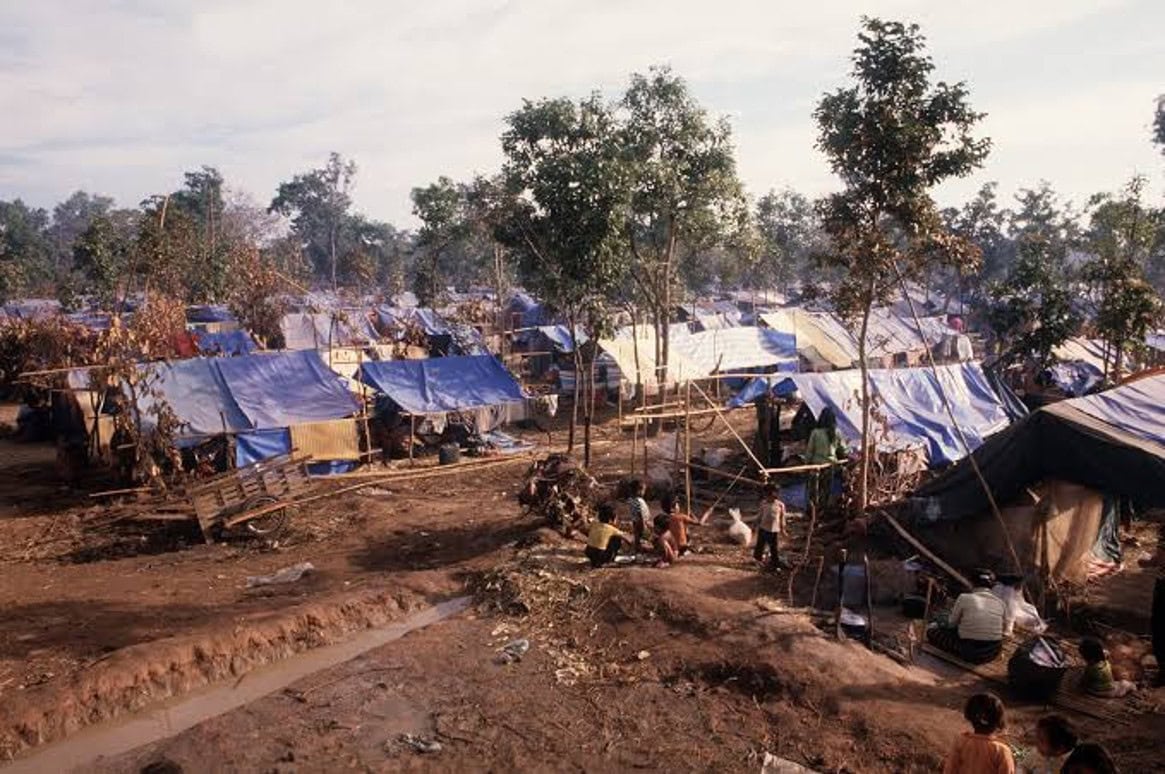
Ambassador Cherdchai Chaivaivid, your recent remarks at the UN General Assembly—that Cambodians still living in areas once set up as temporary shelters in the 1970s are trespassing on Thai soil—require deeper examination. The international community deserves more than selective narratives. It deserves historical honesty.
The Cambodian refugee crisis did not begin with unauthorized occupation. It emerged from widespread violence, collapse of governance under the Khmer Rouge, and massive displacement in 1979. Tens of thousands fled toward Thailand seeking safety, triggering one of the region’s most severe humanitarian emergencies. Agencies like the UNHCR, ICRC, and many others responded alongside local actors. Even US First Lady Rosalynn Carter, visiting in late 1979, documented alarming conditions: malnourished children, rampant disease, and overcrowded camps.
Thailand’s role deserves both recognition and scrutiny. While its initial humanitarian openness was vital, records show later episodes of forced repatriation and pushbacks into dangerous zones—including mined areas—before policies shifted toward temporary asylum. This dual legacy must be acknowledged in full when discussing the past.
Equally important is the Cold War backdrop. Cambodia became a proxy battleground for regional and global powers—Vietnam, China, the US, the USSR, and neighboring states—each supporting rival Cambodian factions. UNHCR former head Sadako Ogata noted how geopolitics shaped refugee policy, with some camps functioning not only as relief sites but also as bases for armed resistance. This doesn’t imply all refugees were combatants, nor that every camp served identical purposes—but it shows that humanitarian space was deeply entangled with political strategy.
The term ‘temporary’ also misleads if stripped of context. Khao I Dang, for instance, housed up to 140,000 people and operated until 1993. For families who lost everything, camps offered the only lifeline amid ongoing instability. While their original purpose was short-term, decades passed before safety and options for return existed.
The 1991 Paris Peace Agreements created the conditions for mass repatriation. From March 1992, the UNHCR facilitated the return of roughly 370,000 Cambodians to their home communities ahead of elections. Their voluntary return highlights why the story is not one of abandonment, but of political stalemate and eventual international mediation.
If Thailand wishes to raise concerns about current habitation near the border, it must present precise evidence: legal instruments, maps, archival data, settlement timelines, and verifiable demographic records. Cambodia holds the same right to do the same. Sovereignty cannot be settled with slogans or selective history—it demands impartial review of documents and facts through peaceful, internationally recognized processes.
The world remembers Cambodia’s devastation, the exodus to the border, and the decades-long struggle to rebuild. When discussing the legacy of those camps, we owe the public not just one side—but the full, complex truth.