 Mekong Monitor
Akreiy Ksatr on the Rise: Balancing Progress, Partnership and Community
Akreiy Ksatr in Kandal Province is poised to become a major satellite city as new Mekong bridges link it to Phnom Penh. Its success will depend on sound planning, responsible investment and benefits that stay with local residents.
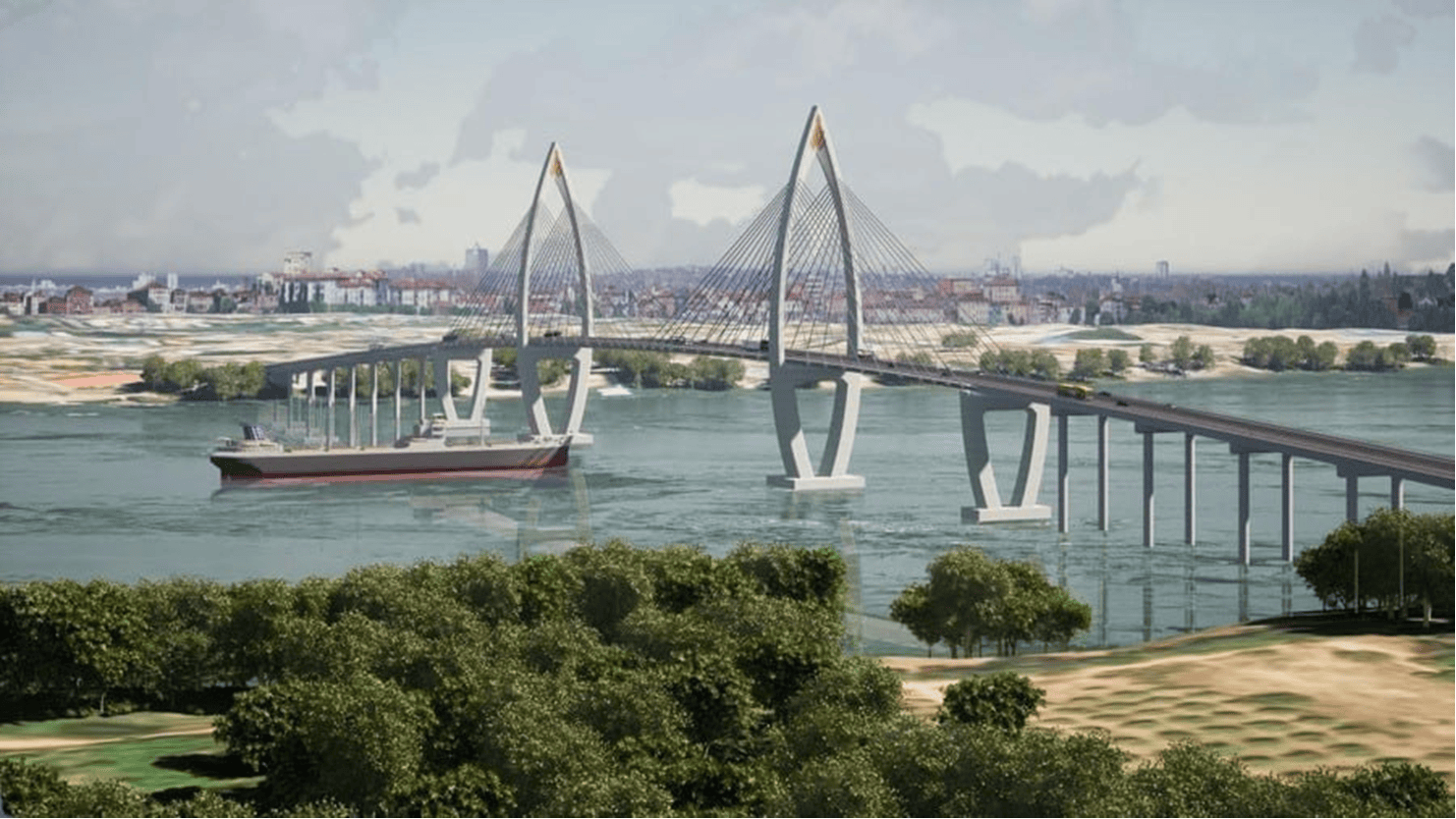
Kandal Province is on the verge of a historic change. For decades, the Mekong River has kept Akreiy Ksatr municipality cut off from the busy economy of Phnom Penh. Now this quiet, semi-rural area is poised to become Cambodia’s next leading satellite city.
The recently announced network of Mekong River bridges, linking Norea Island City with Mekong Quay City, is driving this transformation. Akreiy Ksatr is preparing to close the gap between its farm-based administration and a modern metropolis. Yet this shift cannot be delivered by government directive alone. It requires coordinated effort and a shared vision among policymakers, investment partners and, above all, local residents.
For policymakers, bringing public administration up to world-class standards is an urgent priority. To manage the surge of capital and prevent haphazard urban sprawl, local governance needs bold structural reform.
Governance must go beyond traditional approaches. Working with the Ministry of Land Management, Urban Planning and Construction, the municipality should accelerate and enforce the Akreiy Ksatr Land Use Master Plan. Clearly and legally designating commercial zones, industrial parks, residential neighborhoods and green public spaces is essential.
Because Akreiy Ksatr serves as a natural flood-management basin for the Mekong, policymakers should champion a “Wetland City” planning model. Land infilling must be tightly regulated so it does not trigger devastating urban flooding or wipe out local biodiversity.
The municipality should also roll out local e-governance systems. Digital property titles, automated business registration, unified tax collection and blockchain-based land records would reduce friction in transactions and build confidence among international institutions.
At the same time, private investors and developers must commit resilient, sustainable capital. Linking Akreiy Ksatr to the capital’s economic corridor through the new bridges will reshape regional logistics and real estate. The infrastructure will reduce reliance on aging ferry services and bring lasting traffic relief to Phnom Penh.
As access improves and capital flows in, large institutional players such as OCIC and TP Moral Group must plan with the long term in mind.
Growth cannot come at the expense of the environment. Investment should prioritize climate-resilient construction, underground smart utilities and integrated renewable energy networks.
Developers should look beyond large-scale borey housing estates and luxury high-rises and aim to build complete communities. The real value lies in mixed-income community infrastructure, such as international schools and advanced healthcare centers that serve affluent newcomers. Private plans should align with public goals, including sustainable drainage systems and public parks as the municipality expands.
Finally, local residents must be the main beneficiaries of this boom. The transition is a once-in-a-generation opportunity to build family wealth, but seizing it calls for careful preparation rather than short-term speculation.
As work shifts from fields and waterways to offices, commercial hubs and technology centers, the local workforce must adapt. Residents should build language skills, digital literacy and technical expertise so they can secure well-paid jobs instead of being pushed out of the economy.
Landowners, too, should avoid selling their ancestral plots too early to short-term speculators. Instead, they can consider long-term leases, joint ventures or collaborative developments to secure lasting generational equity.
Even as the municipality modernizes, civil society groups and community leaders should maintain open channels with urban planners to protect historic sites, local pagodas and the region’s rich agricultural heritage.
The bridges will soon erase the physical divide between Akreiy Ksatr and central Phnom Penh. However, the economic and social foundations of this new city depend entirely on the strategic choices made today.
By building resilient infrastructure, embracing green urban design and championing inclusive growth, Akreiy Ksatr can become a shining model of Cambodia’s modern progress.