 Mekong Monitor
A Window for Peace on the Korean Peninsula and Beyond
Signs that Washington and Pyongyang may resume direct talks have raised hopes for easing tensions. This analysis explores why a summit could matter for the United States, North Korea and the wider Asia-Pacific region.
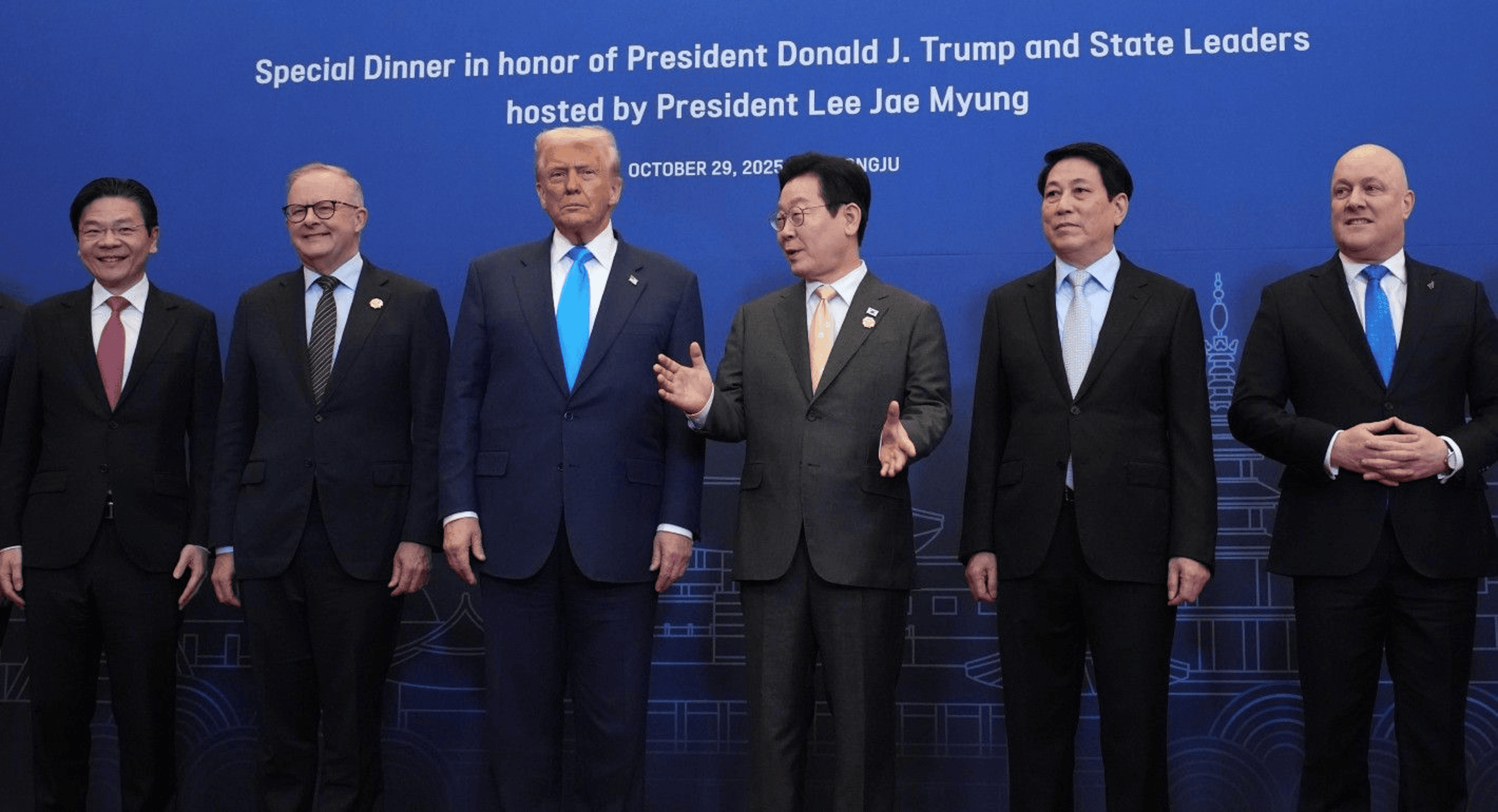
Signs that Washington and Pyongyang may return to direct talks are raising hopes for the Korean Peninsula. Formal dialogue between the two sides has been frozen for nearly seven years, since the collapse of the 2019 Hanoi summit.
In his second term, President Trump has repeatedly said in public that he is open to talks. He has called North Korean leader Kim Jong Un “a smart guy” and said the two men “can meet again.” He has also floated “dialogue without preconditions,” backing away from the demand that North Korea give up its nuclear weapons before any negotiations begin. That is a noticeable shift from earlier approaches, and it has drawn close attention to how Pyongyang will respond.
A Summit as a Political Breakthrough
The Trump administration now faces pressure to show concrete diplomatic results as it moves into the middle of its term. Analysts expect the US midterm elections to go poorly for the president, which could make a quick summit an appealing way to regain momentum and rally his supporters.
A meeting with Kim would also give Trump a powerful symbol to shape his legacy in the second half of his term and to present himself as a peacemaker. Such a meeting is unlikely to yield a sweeping “big deal” of the kind seen before. It would more plausibly lead to a “managed agreement” that freezes progress in nuclear and missile capabilities and sets up ways to prevent accidental clashes. Steps like that could meaningfully lower security risks in Northeast Asia.
Why the Summit Matters to North Korea
For Pyongyang, renewed talks with Washington offer a rare chance to escape growing isolation and strengthen the regime. Analysts see three main benefits:
- Recognition of its nuclear status. A meeting between Kim and the leader of the world’s most powerful country, held on equal terms, would signal that North Korea’s nuclear and missile programs have earned international standing. Pyongyang could then use that message to build domestic unity and reinforce its official narrative.
- Greater diplomatic independence. North Korea has grown closer to Russia militarily and maintains close ties with China. A direct line to Washington would help it avoid excessive dependence on either neighbor and would raise its value as a partner to all three powers.
- Stronger leverage on the peninsula. High-level talks would allow North Korea to reshape the political landscape and reassert its standing on Korean Peninsula issues, with the prospect of greater bargaining power against the United States in future negotiations.
What Is Expected
The push toward talks would not be confined to the peninsula. A US-North Korea dialogue could bring calm to the wider Asia-Pacific region. The international community is hoping Pyongyang will set aside its isolationist posture and engage, showing a more forward-looking attitude.
With nuclear and missile threats advancing and alignments with Russia and China growing more complex, managing security risks on the peninsula will only be realistic if North Korea responds to diplomacy with flexibility and openness.
From Cambodia’s perspective, a US-North Korea meeting around the APEC summit in November could foster a climate of peace and dialogue across the region. That atmosphere could also help ease tensions linked to the Cambodia-Thailand border dispute. When major powers manage their rivalries and keep channels for talks open, neighboring countries find it easier to resolve territorial and border disagreements peacefully and build lasting stability.
The meeting between the two leaders is widely expected to take place around the APEC summit in Shenzhen, China, in November 2026. Several formats are under discussion, including a separate summit held alongside the multilateral event, a meeting in a third country, or even a visit by Trump to Pyongyang. Kim is likely weighing a difficult decision, since continuing to ignore American offers of dialogue brings him no practical benefit.
Overall, the Korean Peninsula faces a complex security crisis marked by escalating nuclear threats and overlapping geopolitical rivalries. To move this dangerous standoff toward negotiation, the opportunity presented by the November APEC summit should not be wasted.
We sincerely hope that Washington and Pyongyang can find common ground and that North Korea will meet the international community’s expectations with a more forward-looking approach. Doing so could pave the way to lower tensions on the Korean Peninsula, peaceful coexistence across the Asia-Pacific, and lasting global peace.